
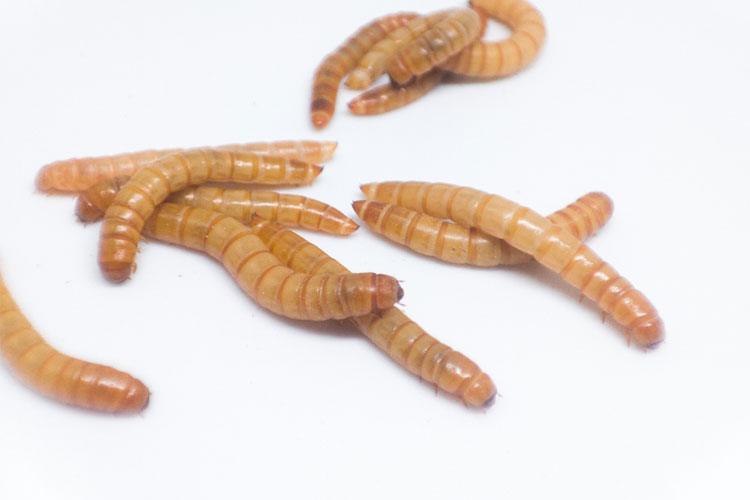
Worms as Fishing Bait: Tips for Anglers Using Mealworms & Superworms
Fishing success often comes down to small details—line choice, hook size, water clarity, and most importantly, bait selection. While nightcrawlers and minnows have long dominated tackle boxes, more anglers are discovering how effective mealworms and superworms can be in both freshwater and certain saltwater situations. If you’re targeting panfish, trout, bass, catfish, or even perch, these worms can deliver consistent bites, especially when fish are finicky or pressured.
In this guide, we’ll break down why worms work so well, how to rig mealworms and superworms correctly, when to use each one, and pro-level techniques to help you catch more fish. Whether you’re fishing from the bank, a pier, or a boat—these worms as fishing bait tips will make your approach more strategic and productive.
Why Worms Are Such Effective Fishing Bait
Worms are one of the most “universal” baits in fishing because they trigger multiple fish instincts at once. Their motion, scent, and natural profile make them appear like an easy meal. In nature, worms fall into the water during rain, get washed in by runoff, or live naturally along shorelines and submerged vegetation.
Natural movement attracts strikes
Unlike hard baits or artificial lures that require action from the angler, worms can create their own irresistible movement. Even subtle twitching can trigger bites in slow, cold, or heavily fished waters.
Worms match what many species already eat
Many freshwater fish are opportunistic feeders. When a worm drifts by, it doesn’t look suspicious—it looks normal. That’s why anglers rely on worms as fishing bait year-round.
They work with almost any setup
Worms can be used with:
-
Bobber rigs
-
Carolina rigs
-
Drop shots
-
Jig heads
-
Micro hooks for ultralight fishing
-
Bottom rigs for catfish
This versatility makes worms ideal for beginners and serious anglers alike.
Mealworms vs. Superworms: Which Is Better for Fishing?
Mealworms and superworms are both excellent, but they shine in different scenarios. Understanding the differences helps you match bait to your target fish and conditions.
Mealworms: smaller bait with high versatility
Mealworms are compact and easy to use, especially for:
-
Bluegill and bream
-
Crappie
-
Trout
-
Perch
-
Smaller bass
Mealworms are also great when fish are biting softly and you need a natural, non-intimidating presentation.
Superworms: larger profile for bigger fish
Superworms are longer, thicker, and much more active on the hook. They tend to attract:
-
Larger bass
-
Catfish
-
Bigger panfish
-
Peacock bass (where present)
-
Aggressive strikes when fish are feeding hard
When you want a bait that’s more visible and moves more aggressively underwater, superworms are often the stronger choice.
Best Fishing Situations for Using Mealworms
Mealworms are an ideal “precision bait.” They’re clean to handle, easy to store, and extremely effective in clear water or finesse-style fishing.
Clear water fishing
In clear water, fish see more detail—and can become selective. Mealworms offer a subtle profile and natural look that reduces suspicion.
When fish are pressured
Public ponds, parks, and popular lakes often have fish that are used to seeing traditional baits. Mealworms can be a “different option” that produces bites when others aren’t.
Cold weather and slow bites
When fish slow down, they prefer easy meals. Mealworms drift naturally and don’t require fish to chase aggressively.
Best Fishing Situations for Using Superworms
Superworms excel when you need presence: larger bait, more motion, more visual attraction.
Murky water or low visibility conditions
Because superworms are larger and more active, they’re easier for fish to detect in muddy water, low-light mornings, or after rain.
Fishing for bigger bites
If you’re hoping to avoid tiny nibbles and get more committed strikes, superworms are often better. Their size helps filter out the smallest fish.
Fishing structure
Superworms perform extremely well around:
-
Docks
-
Brush piles
-
Lily pads
-
Shoreline vegetation
-
Bridge pilings
In these areas, fish tend to strike quickly—and superworms deliver.
How to Rig Mealworms Properly
Rigging matters. A poorly rigged worm can spin unnaturally, fall off too easily, or fail to hook fish effectively.
Hook recommendations
For mealworms, use:
-
Size #10 to #6 hooks for panfish
-
Size #6 to #4 hooks for trout and small bass
Best rigging method
Thread the hook lightly through the head or upper body so the worm stays active. Avoid piercing it too many times or it will lose movement.
Pro tip: “Tip hook” presentation
If fish are biting lightly, hook the mealworm through the tip only. It keeps the body free to wiggle and increases strikes.
How to Rig Superworms for Better Hookups
Superworms are strong and active, which means they require a more secure hook placement.
Hook recommendations
For superworms, use:
-
Size #4 to #1 hooks for larger panfish and bass
-
1/0 hooks for catfish (depending on target size)
Best rigging method
Run the hook through the thick body section once, leaving the tail free to move. You want movement without the worm sliding down the hook.
Pro tip: double-worm method
If targeting catfish or bigger bass, anglers sometimes use two mealworms or one superworm plus one mealworm. This increases scent and profile.
Best Tackle Setups for Worm Fishing Success
A worm is only as effective as the presentation. Here are the top setups anglers should keep ready.
Bobber rig for shallow water
A classic setup for ponds and canals:
-
Small hook
-
Split shot weight
-
Worm bait
-
Bobber set to depth
This is excellent for panfish and trout.
Carolina rig for bottom feeders
Perfect for deeper water and species like catfish:
-
Sliding weight
-
Swivel
-
Leader line
-
Hook + superworm
Drop shot for finesse fishing
If bass are cautious:
-
Hook tied above weight
-
Worm suspended slightly off bottom
-
Gentle rod twitches
Drop shot techniques are extremely effective using mealworms when fish are in a slow bite pattern.
Storage Tips: Keeping Worms Fresh and Active
One reason anglers love this bait is how easy it is to maintain compared to minnows or live shiners.
Mealworm storage
Mealworms do best in cool temperatures. Keep them in a breathable container and avoid leaving them in heat.
Superworm storage
Superworms should be kept dry, not overheated, and in a secure container since they’re strong climbers and active.
The biggest mistake anglers make
Leaving worms in a hot car. Heat will reduce movement and shorten lifespan—both of which reduce effectiveness.
Using Worms as Fishing Bait Like a Pro
To consistently out-fish other anglers, don’t just “use worms”—use them strategically.
Match worm size to hook size
If the hook is too large, you’ll get fewer bites. If it’s too small, you’ll miss hookups. A balanced setup increases both strikes and landed fish.
Add gentle movement
Even with worms, movement matters. Occasionally lift your rod tip slightly to create a “rise and fall” motion.
Fish near cover
Worms work best near structure because that’s where fish feed:
-
Edges of grass lines
-
Drop-offs
-
Shallow-to-deep transitions
-
Shade pockets under docks
When you combine smart placement with worms as fishing bait, your bite rate improves dramatically.
Frequently Asked Questions
What fish species bite mealworms and superworms?
Mealworms and superworms attract bluegill, bream, crappie, trout, bass, perch, and catfish. Larger superworms typically produce bigger strikes.
Are superworms better than mealworms for bass fishing?
Often, yes. Superworms provide a larger, more active bait that triggers aggressive bass strikes—especially in murky water or heavy cover.
How do I stop worms from falling off the hook?
Use the correct hook size and avoid over-piercing the worm. Hook mealworms lightly through the head area, and hook superworms through the thick body section.
Can worms be used in saltwater fishing?
In certain saltwater areas—especially brackish zones—worms can work well for smaller species and opportunistic feeders, though they are most effective in freshwater.

Recent reviews
-
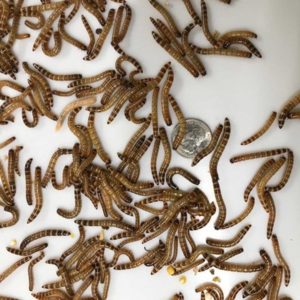 3/4-1" Small Superworms
by Pru Belle
3/4-1" Small Superworms
by Pru Belle
-
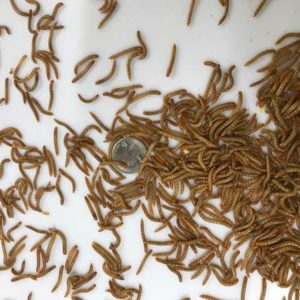 1/2-3/4" Medium Mealworms
by Colleen
1/2-3/4" Medium Mealworms
by Colleen
-
1/2-3/4" Medium Mealworms
by Will Peratino