
Mealworms vs. Crickets: Which Feeder Offers Better Nutrition for Your Pet?
When it comes to feeding reptiles, amphibians, fish, and small exotic pets, two feeder insects consistently rise to the top: mealworms and crickets. Both are widely available, affordable, and nutritionally rich—yet they differ in ways that can significantly impact your pet’s health, growth, and energy levels. Understanding these differences is essential for choosing the feeder insect that best supports your pet’s unique dietary needs.
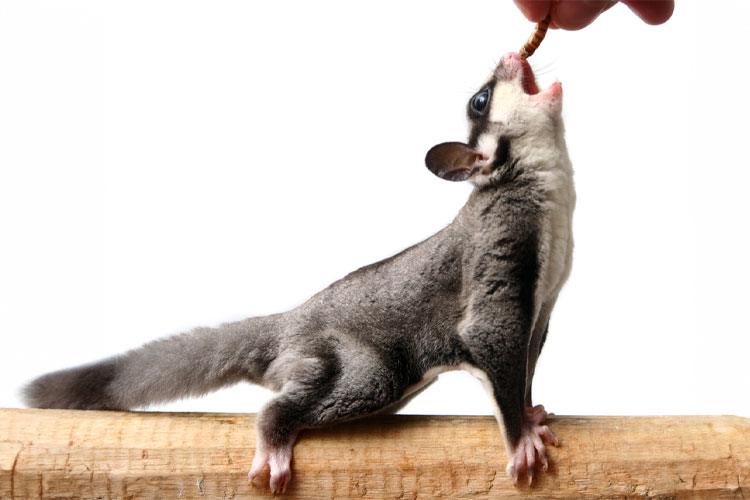
In this comprehensive guide, we compare mealworms vs. crickets based on nutrition, digestibility, convenience, and suitability for various pets. Whether you’re caring for a bearded dragon, leopard gecko, hedgehog, sugar glider, or aquarium fish, Sunshine State Worms is here to help you choose the right feeder—so your animals stay healthy, strong, and thriving.
What Makes Mealworms a Popular Feeder Choice?
Mealworms remain one of the most commonly used feeder insects because they are nutrient-dense, easy to store, and highly palatable for most reptiles and small pets. Their firm exoskeleton helps with gut health while providing a satisfying texture that many insect-eating pets love.
Key Benefits of Mealworms
-
High Fat Content for Energy
Mealworms provide a higher fat percentage than crickets, making them an excellent choice for pets that require extra calories—especially juveniles or animals recovering from illness. -
Longer Shelf Life
Mealworms are easy to store and stay alive longer than crickets, reducing waste and making them highly economical for regular feeding. -
Minimal Noise and Odor
Unlike crickets, mealworms remain quiet and odor-free, making them ideal for indoor storage. -
Easy Portion Control
Their predictable size allows pet owners to measure calories more accurately.
Which Pets Benefit Most from Mealworms?
Mealworms are an excellent match for:
-
Hedgehogs
-
Leopard geckos
-
Chickens and backyard birds
-
Bearded dragons (as an occasional treat)
-
Aquatic turtles
-
Freshwater fish
Because of their higher fat content, mealworms should be fed thoughtfully to pets prone to weight gain. However, when sourced from a reputable supplier like Sunshine State Worms, they provide high-quality protein and valuable nutrients.
Why Crickets Remain a Staple Feeder for Many Pets
Crickets are known for being leaner, more active, and rich in essential vitamins, making them a nutritional powerhouse for reptiles and amphibians that rely on movement to trigger feeding instincts.
Key Benefits of Crickets
-
Higher Protein, Lower Fat
Crickets offer an excellent protein-to-fat ratio, ideal for maintaining lean muscle and supporting long-term health. -
Natural Hunting Behavior
Because crickets jump and move quickly, they help stimulate the hunting instincts of many reptiles and amphibians. -
High Moisture Content
Their moisture levels help keep pets hydrated, making them perfect for species that rely on supplemental water intake. -
Packed with Nutrients
Crickets provide B-vitamins, amino acids, and trace minerals essential for immune support and metabolism.
Best Pets for Cricket Feeding
Crickets work especially well for:
-
Bearded dragons (daily staple)
-
Chameleons
-
Frogs and toads
-
Anoles
-
Geckos
-
Tarantulas
Active, fast-moving pets often prefer crickets because they closely resemble prey in the wild.
Nutritional Breakdown: Mealworms vs. Crickets
While both feeders offer valuable nutrients, their profiles differ:
| Nutrient | Mealworms | Crickets |
|---|---|---|
| Protein | Moderate | High |
| Fat | High | Low |
| Moisture | Low | Moderate |
| Calcium | Low (requires dusting) | Moderate |
| Fiber | Moderate | Low |
For young pets needing growth and caloric support, mealworms shine. For adult pets that thrive on a leaner diet, crickets become the superior choice.
Which Feeder Insect Is Better Overall?
There is no one-size-fits-all answer—the best feeder depends on your pet’s species, age, and metabolic needs.
Choose mealworms if your pet needs:
-
Extra calories
-
A convenient feeder with long shelf life
-
A soft, easy-to-portion insect
Choose crickets if your pet needs:
-
Lean protein
-
Higher hydration
-
Movement-stimulated feeding
Most pet owners benefit from offering both mealworms and crickets, creating a more balanced diet and mimicking your pet’s natural feeding environment.
At Sunshine State Worms, we provide clean, healthy, farm-raised mealworms and premium crickets shipped fresh so your pets receive the best nutrition possible. Crickets and mealworms available in our shop!
Frequently Asked Questions
1. Are mealworms or crickets better for bearded dragons?
Crickets are typically better as a daily feeder because they’re leaner, but mealworms are great as an occasional treat.
2. Can mealworms replace crickets completely?
Not for all pets. Many reptiles require movement to trigger feeding, so a combination of both is ideal.
3. Are mealworms easier to store than crickets?
Yes. Mealworms require less care, make no noise, and have a longer shelf life, making them more convenient for many owners.
4. How often should I dust mealworms or crickets with calcium?
Most reptiles need calcium dusting every feeding unless otherwise directed by an exotic veterinarian.

Recent reviews
-
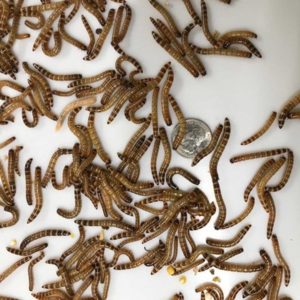 3/4-1" Small Superworms
by Pru Belle
3/4-1" Small Superworms
by Pru Belle
-
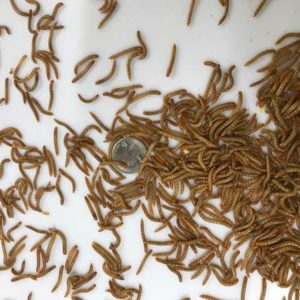 1/2-3/4" Medium Mealworms
by Colleen
1/2-3/4" Medium Mealworms
by Colleen
-
1/2-3/4" Medium Mealworms
by Will Peratino