
How to Store and Gut-Load Mealworms for Maximum Pet Nutrition
Pet owners who want their reptiles, birds, amphibians, and small mammals to thrive must start with the quality of their feeder insects. While mealworms are naturally nutrient-dense, their true value comes from how well they are stored and gut-loaded before feeding. Proper care directly influences your pet’s digestion, energy levels, and long-term health.
At Sunshine State Worms, we prioritize education just as much as quality feeders. This guide explains the best methods for storing and gut-loading mealworms so you always provide the most nutritious meal possible.
Why Gut-Loading Mealworms Matters
Gut-loading refers to feeding mealworms high-quality, nutrient-rich foods 24–48 hours before they are offered to pets. Because mealworms retain what they eat, gut-loading ensures they deliver essential vitamins, minerals, hydration, and natural energy.
Benefits of properly gut-loaded mealworms include:
-
Stronger bones due to better calcium delivery
-
Increased hydration for reptiles and amphibians
-
Improved feather, skin, and shell condition
-
Enhanced digestion and nutrient absorption
-
Better overall vitality and immunity
Whether you care for geckos, chameleons, bearded dragons, sugar gliders, or exotic birds, gut-loading is one of the easiest ways to improve their health.
How to Store Mealworms for Freshness and Longevity
Mealworms are hardy, but proper storage keeps them alive longer and maintains their nutritional integrity. Here’s how to store them effectively:
1. Choose the Right Container
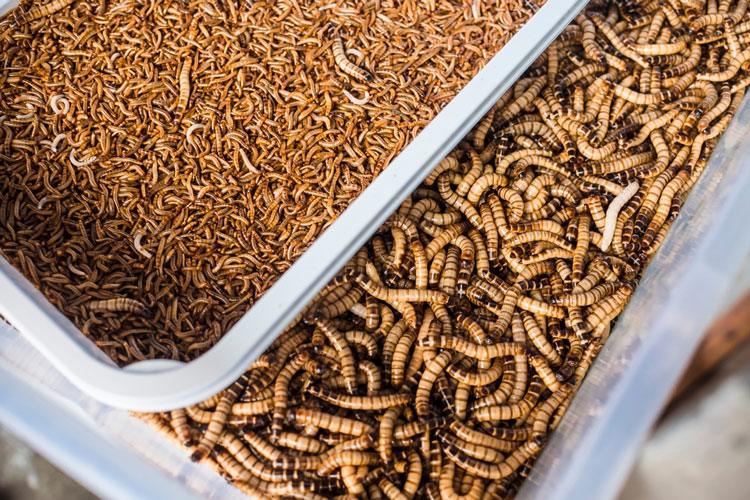
Keep mealworms in a ventilated plastic tub or the breathable containers they arrive in from Sunshine State Worms. Avoid airtight containers, as they restrict airflow and lead to moisture buildup.
2. Keep Temperature Consistent
Mealworms prefer cool conditions. Ideal storage temperature:
-
40–55°F for low activity and long life
-
70–75°F for active growth
Refrigeration slows their metabolism and prevents them from morphing into beetles. However, check them weekly to ensure they remain healthy.
3. Use Proper Bedding/Substrate
Bedding doubles as food. Choose nutritional, dry substrates such as:
-
Wheat bran
-
Rolled oats
-
Ground chicken feed
Keep the bedding at least 1–2 inches deep and replace it every 3–4 weeks or when signs of moisture appear.
4. Prevent Moisture Buildup
Mealworms thrive in dry environments. Too much moisture leads to mold and bacterial growth. Remove wet food pieces promptly and ensure your storage container is well-vented.
How to Gut-Load Mealworms for Maximum Pet Nutrition
Gut-loading is the process of supercharging mealworms with nutrients that your pet will benefit from. Sunshine State Worms recommends a thoughtful approach to ensure every mealworm delivers the highest nutritional value.
1. Provide Hydration Through Moist Foods
Mealworms need moisture, but it should come from safe, clean sources. Popular hydration foods include:
-
Carrots
-
Sweet potatoes
-
Apples (no seeds)
-
Dark leafy greens
-
Cucumbers
Avoid water bowls—mealworms can drown easily.
2. Offer High-Calcium and Vitamin-Rich Foods
Reptiles and birds require calcium-rich meals to support bone growth and prevent metabolic disorders such as MBD (metabolic bone disease).
Excellent gut-loading foods:
-
Collard greens
-
Mustard greens
-
Dandelion greens
-
Squash
-
Calcium-fortified bug diets
-
Ground calcium mixed lightly with bedding
Choose natural foods over processed pellets whenever possible.
3. Gut-Load for 24–48 Hours
The sweet spot for gut-loading is:
-
24 hours for quick boosts
-
48 hours for maximum results
This ensures mealworms are fully hydrated, nutrient-rich, and ready for feeding.
4. Avoid Overcrowding
Overcrowding leads to stress and reduced eating. Keep your mealworms spread out so they have space to move and feed freely.
5. Remove Gut-Loading Foods Before Feeding
Right before offering mealworms to your pet, remove excess fruits and vegetables. Damp pieces can cause mold or attract mites if left unnoticed.
How Often Should You Gut-Load?
For most reptiles and small animals, gut-loading should be done every time you prepare mealworms for feeding. The process is simple, requires minimal time, and greatly enhances the nutritional benefit of each feeding.
Why Choose Sunshine State Worms?
At Sunshine State Worms, we provide healthy, clean, and nutrient-ready feeder insects bred for optimal pet nutrition. Our mealworms are raised in controlled, high-quality environments to ensure consistency and longevity.
Whether you buy mealworms, superworms, or other feeders, you’ll receive insects that are strong, well-fed, and perfect for gut-loading at home. Order our mealworms for sale today!
Frequently Asked Questions
1. How long can mealworms be stored in the refrigerator?
With proper bedding and weekly checks, mealworms can be refrigerated for up to several months without issues.
2. What foods should I avoid when gut-loading?
Avoid citrus fruits, onions, and highly acidic foods, which may irritate your pet’s digestive system.
3. Do mealworms need a calcium dusting after gut-loading?
Yes—calcium dusting right before feeding provides an extra mineral boost, especially for reptiles.
4. Can I gut-load mealworms with commercial diets?
Yes, commercial insect-gut-loading diets work well, especially when paired with fresh vegetables.

Recent reviews
-
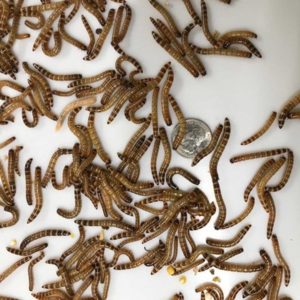 3/4-1" Small Superworms
by Pru Belle
3/4-1" Small Superworms
by Pru Belle
-
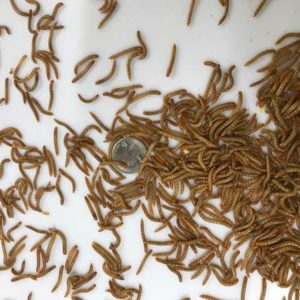 1/2-3/4" Medium Mealworms
by Colleen
1/2-3/4" Medium Mealworms
by Colleen
-
1/2-3/4" Medium Mealworms
by Will Peratino