Fresh Live Feeder Worms: Why Quality Matters for Reptiles and Fishing
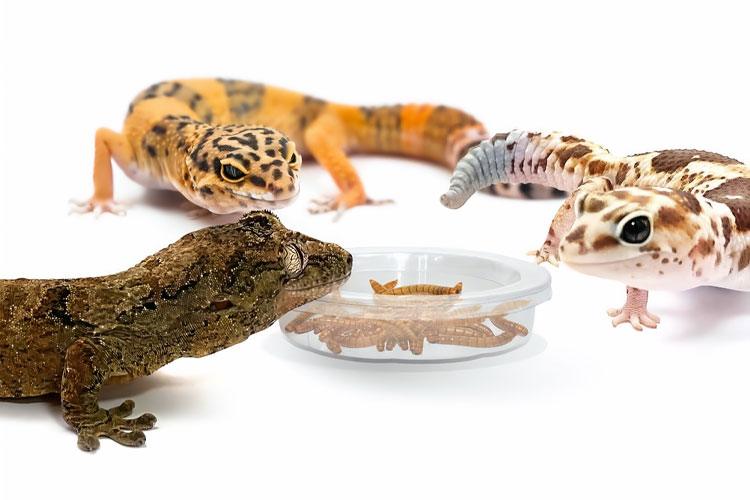
When you depend on live insects for feeding reptiles or stocking a tackle box, freshness can make a noticeable difference. Fresh live feeder worms are active, easy to handle, and versatile enough to serve reptile owners, bird keepers, exotic pet enthusiasts, and anglers. Mealworms and superworms are especially popular because they combine convenient storage with the natural movement that makes live feeders appealing to insect-eating animals and fish.
Choosing quality worms is about more than simply buying a container of live insects. Healthy activity, proper sizing, careful handling, and suitable storage all contribute to getting more value from every order. Whether you need mealworms for a gecko, larger superworms for a mature reptile, or lively bait for your next fishing trip, understanding what separates quality feeders from poorly handled insects can help you make a better choice.
Why Fresh Live Feeder Worms Make a Difference
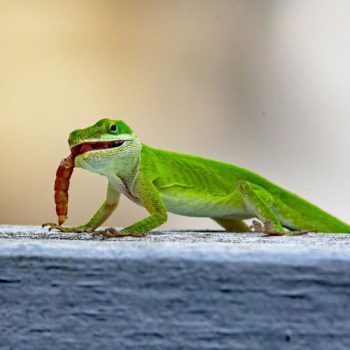
Live feeders naturally move, and that movement is one of their biggest advantages. For reptiles, active prey can encourage normal hunting and foraging behavior. Instead of simply consuming food placed in front of them, insect-eating reptiles can notice, track, and capture moving prey.
Anglers benefit from the same characteristic for a completely different reason. Movement on the hook can make bait more noticeable in the water. Mealworms and superworms provide compact live-bait options that can be stored and transported without taking up much room in a tackle setup.
Freshness also makes worms easier to evaluate. Active insects with a healthy appearance allow owners to select appropriate feeders before offering them to an animal.
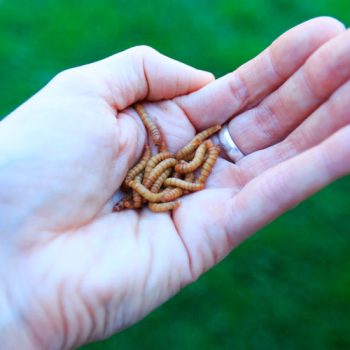
For those looking specifically for smaller feeders, Sunshine State Worms offers live mealworms suitable for a variety of feeding and bait applications.
Mealworms and Superworms Serve Different Needs
Although mealworms and superworms have a similar appearance, they are not simply different sizes of the same insect. Mealworms are the larval form of Tenebrio molitor, while superworms belong to the Zophobas morio species.
Their differences give reptile owners and anglers options.
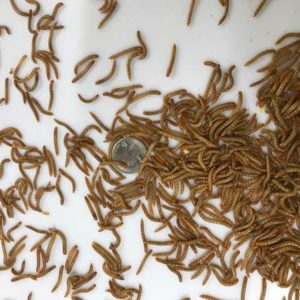
Mealworms are generally smaller and easier to portion for animals that require modest prey sizes. They are commonly used for reptiles, birds, small animals, and fishing bait. Their manageable size also makes them convenient for owners who feed multiple animals.
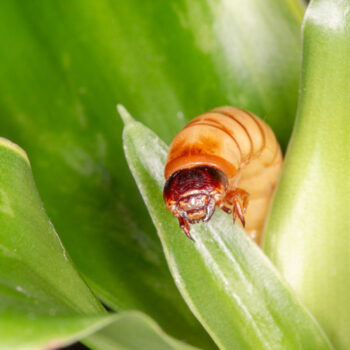
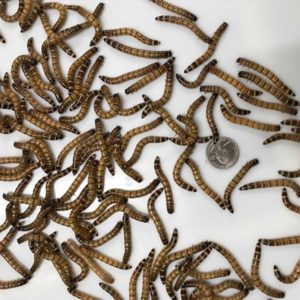
Superworms are substantially larger and more active. That makes them particularly attractive when a larger feeder is appropriate. Sunshine State Worms provides live superworms in multiple sizes, allowing customers to select worms according to their intended use.
Choosing between the two should not come down to which worm is universally “better.” The better choice depends on the animal, appropriate feeder size, feeding plan, or fishing situation.
Choosing Healthy Mealworms and Superworms
When purchasing fresh live feeder worms, quality should be one of the first considerations. Worms are living organisms, so breeding conditions, handling, storage, and transportation can influence the condition in which they reach the customer.
Healthy feeders should generally appear lively and responsive rather than consistently motionless or deteriorated. Buyers should also consider whether the supplier specializes in raising live feeders rather than treating them as just another packaged product.
Important qualities to consider include:
- Active movement: Healthy live worms should demonstrate normal movement when warmed and handled appropriately.
- Appropriate sizing: Select feeder sizes that are suitable for the reptile, bird, other animal, or fishing application.
- Clean handling: Well-maintained breeding and storage conditions contribute to dependable feeder quality.
- Reliable shipping: Live insects should spend as little unnecessary time in transit as practical.
Sunshine State Worms operates as a feeder farm rather than simply reselling packaged insects. Customers interested in learning more about the operation can visit the Sunshine State Worms About Us page.
Fresh Feeders Help Encourage Natural Reptile Behavior
For many reptiles, feeding is more than obtaining calories. Hunting is part of their natural behavioral repertoire.
The movement of a live mealworm or superworm can attract attention and encourage an animal to pursue its food. This makes live feeders useful not only nutritionally but also as a form of feeding enrichment for species that naturally hunt insects.
Mealworms can be particularly convenient when a smaller prey item is required. Larger and more active superworms can provide a different feeding experience for appropriately sized animals.
However, feeder size and frequency should always be selected according to the particular species, age, size, and dietary requirements of the animal. Mealworms and superworms should be incorporated into an appropriate overall diet rather than assuming the same feeding schedule works for every reptile.
Why Anglers Keep Live Worms Ready
The same characteristics that make these insects attractive to reptiles can make them useful to anglers. Fish detect movement, and lively bait can help draw attention around a hook.
Mealworms are compact and can be useful when targeting fish with smaller presentations. Superworms provide a larger profile when an angler wants more movement or a more substantial bait.
Another advantage is convenience. A container of worms requires relatively little space compared with many other live-bait options. That makes them practical for fishing from a bank, dock, pier, kayak, or boat.
Anglers interested in learning more can read Sunshine State Worms’ guide to using mealworms and superworms as fishing bait.
Proper Storage Protects Your Supply
Buying quality worms is only part of the process. Once they arrive, correct storage helps maintain their condition.
Mealworms and superworms have different storage requirements, which is an important distinction for anyone purchasing both.
Mealworms can be kept at cooler temperatures to slow their development. Sunshine State Worms recommends refrigerated storage for its mealworms, with periodic removal for feeding and hydration. Superworms, by contrast, should not be treated the same way and are normally maintained at room temperature.
A simple routine can help preserve your feeders:
- Follow the recommended temperature range for the specific type of worm.
- Keep containers properly ventilated and away from extreme heat.
- Check the colony regularly and remove dead insects or spoiled food.
- Provide moisture or food according to the storage recommendations for the feeder species.
These basic steps can help reptile owners and anglers maintain a dependable supply instead of unnecessarily losing worms between feedings or fishing trips.
Freshness Begins Before the Worms Reach You
Customers often focus on what happens after an order arrives, but feeder quality begins much earlier.
Breeding environment, nutrition, colony management, sorting, packing, and shipping all influence the finished product. A supplier experienced specifically with live insects understands that worms cannot be handled like ordinary shelf-stable merchandise.
This becomes particularly important when ordering online. Shipping live organisms requires attention to transit times and environmental conditions. The goal is not merely to ship a package; it is to deliver viable feeders that customers can actually use.
For regular reptile feeding, bird feeding, breeding programs, or frequent fishing, dependable quality also reduces the uncertainty associated with repeatedly sourcing small quantities from different suppliers.
Why Choose Sunshine State Worms for Fresh Live Feeder Worms?
Sunshine State Worms specializes in producing and supplying live feeders for reptile owners, bird enthusiasts, anglers, and other customers who depend on consistent worm quality. With more than 20 years of experience in live-insect breeding and worm production, the company understands the importance of healthy stock, proper handling, and dependable fulfillment.
From versatile mealworms to larger, energetic superworms, Sunshine State Worms gives customers access to feeders suited to different animals and applications. Nationwide shipping also makes it practical to establish a reliable source rather than depending entirely on whatever inventory happens to be available locally.
When you need fresh live feeder worms, starting with an experienced feeder farm can make a meaningful difference. Healthy worms, suitable sizing, proper storage guidance, and reliable shipping all contribute to a better experience for reptile keepers and anglers alike.
Whether you are stocking feeders for your reptiles or preparing bait for an upcoming fishing trip, Sunshine State Worms provides the experience and specialized production needed to supply quality mealworms and superworms directly to customers.
Frequently Asked Questions
Are mealworms and superworms actually the same type of worm?
No. Although they look similar, mealworms and superworms are larvae of different beetle species. Mealworms are Tenebrio molitor, while superworms are Zophobas morio. Superworms are generally larger and more active, and the two also have different storage requirements.
How can I keep live mealworms fresh for longer?
Mealworms can be refrigerated at an appropriate temperature to slow their development and extend their usable life. They should periodically be brought out and provided appropriate food and moisture. Always follow the supplier’s storage instructions after delivery.
Should superworms be stored in the refrigerator?
No. Superworms should generally be maintained at room temperature rather than refrigerated. Treating them like mealworms can kill them. Keep them in a ventilated container under suitable conditions and follow proper feeding and moisture practices.
Can mealworms and superworms be used as fishing bait?
Yes. Both can be used as live fishing bait. Mealworms offer a smaller presentation that can work well for smaller fish and hooks, while larger, more active superworms provide additional movement and a more substantial profile. The better option depends on the species being targeted, hook size, and fishing conditions.

Recent reviews
-
 1.25-2" Large Superworms
by Michael
1.25-2" Large Superworms
by Michael
-
1.25-2" Large Superworms
by Lavonne Lilley
-
 1/2-3/4" Medium Mealworms
by Kathy Bevacqua
1/2-3/4" Medium Mealworms
by Kathy Bevacqua