Worm Feeding Guides for Specific Pets: A Complete Care Resource
Feeding live worms to pets is one of the most effective ways to provide natural nutrition, encourage instinctive behavior, and support overall health. However, different species have different dietary needs, and not all worms should be fed in the same amounts or frequencies. That’s why having reliable Worm Feeding Guides for Specific Pets is essential for pet owners who want to maintain balanced nutrition and avoid common feeding mistakes.
Whether you care for reptiles, birds, amphibians, fish, or small mammals, understanding how to use mealworms, superworms, and other feeder insects correctly makes a noticeable difference in energy levels, growth, and long-term wellness.
Why species-specific feeding matters
Many new pet owners assume that all insect-eating animals can be fed the same way. In reality, feeding strategies must reflect the animal’s size, metabolism, activity level, and natural diet in the wild. A juvenile reptile, for example, requires more frequent feeding than an adult, while some birds need worms as protein supplements rather than a main food source.
Worm Feeding Guides for Specific Pets help prevent overfeeding, nutritional imbalance, and digestive stress. They also ensure pets receive enough enrichment, as hunting live food stimulates natural behaviors and reduces boredom.
Feeding reptiles with worms
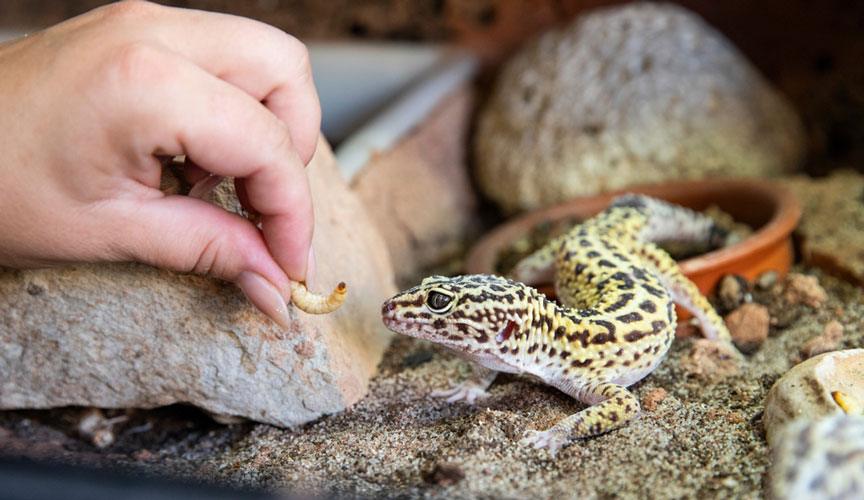
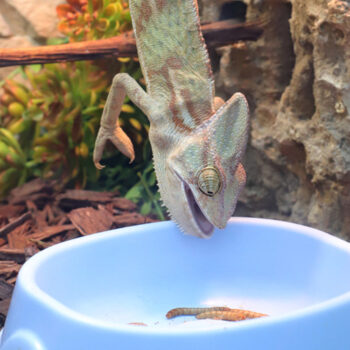
Reptiles are among the most common worm-fed pets. Bearded dragons, geckos, skinks, and certain turtles all benefit from worms as part of a varied diet. Mealworms and superworms are often used because they are easy to store, nutrient-dense, and appealing to reptiles.
- Juvenile reptiles typically require more frequent feedings with smaller portions
- Adult reptiles benefit from worms as a protein supplement rather than a sole diet
- Worms should be paired with vegetables or greens when appropriate
Portion size should always match the reptile’s head width to prevent choking. Gut-loading worms with nutritious food before feeding also increases their nutritional value.
Feeding amphibians and aquatic species
Amphibians like frogs, salamanders, and axolotls often respond well to live worms. These animals rely heavily on movement to identify food, making live feeders especially useful. For aquatic species, worms can be offered with feeding tongs or in designated feeding zones.
Because amphibians have sensitive digestive systems, moderation is important. Worms should complement other live food options to maintain balance. Regular observation helps ensure the animal is eating well and not leaving uneaten food that could affect tank conditions.
Worms in bird diets
Many insect-eating birds, including backyard species and aviary birds, benefit from live worms as high-protein treats. During breeding or molting seasons, protein demands increase, and worms become especially valuable.
- Offer worms in moderation as a supplement to seeds and pellets
- Provide smaller worms for smaller bird species
- Use worms to stimulate natural foraging behavior
Bird owners often find that live worms encourage more active feeding and engagement, which supports both mental stimulation and physical health.
Feeding fish with worms
Certain fish species, especially predatory or carnivorous types, thrive when live worms are part of their diet. Offering live feeders can enhance color, growth, and natural feeding behaviors.
Worms should be offered in controlled portions to avoid excess waste in the tank. Feeding tongs or designated feeding areas can help manage cleanliness and monitor intake.
Small mammals and specialty pets
Some small mammals and exotic pets, such as hedgehogs, may eat worms as a protein supplement. As with birds and reptiles, worms should complement a balanced commercial diet rather than replace it entirely.
Owners should monitor weight and activity levels to ensure feeding quantities are appropriate.
General feeding best practices
Across species, a few universal principles apply:
- Always store worms according to recommended temperatures
- Avoid overfeeding to prevent obesity and digestive issues
- Rotate food sources for nutritional variety
These practices, combined with species-specific guidance, help pet owners maintain healthy feeding routines.
The importance of quality live feeders
Not all feeder worms are raised or handled the same way. Healthy, properly maintained worms provide better nutrition and reduce the risk of contamination. Choosing a reliable supplier ensures consistency, freshness, and safe delivery.
Why pet owners choose Sunshine State Worms
Sunshine State Worms supplies high-quality live feeders for reptiles, birds, fish, amphibians, and specialty pets. Their products are carefully maintained and shipped to ensure freshness and vitality. By offering dependable mealworms, superworms, and related supplies, Sunshine State Worms supports pet owners in providing natural, species-appropriate nutrition that aligns with expert Worm Feeding Guides for Specific Pets.
Frequently Asked Questions
How often should reptiles be fed worms?
Juveniles typically need more frequent feedings, while adults should receive worms as part of a varied diet.
Are worms safe for birds?
Yes, when used in moderation, worms provide valuable protein and enrichment.
Can fish eat live worms regularly?
Some species benefit from worms, but portion control is important to maintain water quality.
Do worms replace commercial pet food?
No, worms are best used as supplements to a balanced primary diet.

Recent reviews
-
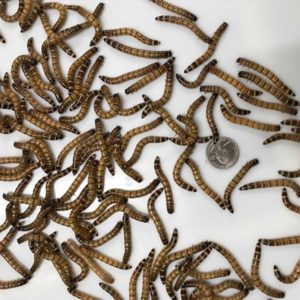 1.25-2" Large Superworms
by Vance Vodicka
1.25-2" Large Superworms
by Vance Vodicka
-
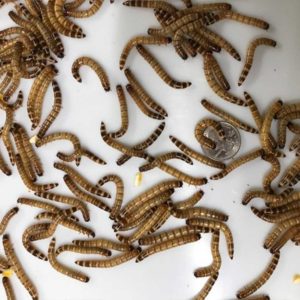 1-1.25" Medium Superworms
by Kassandra Roaix
1-1.25" Medium Superworms
by Kassandra Roaix
-
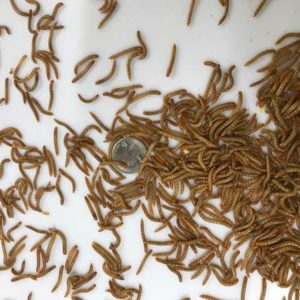 1/2-3/4" Medium Mealworms
by Candace
1/2-3/4" Medium Mealworms
by Candace