The Best Feeder Insects for Bearded Dragons
Feeding a bearded dragon properly is one of the most important aspects of keeping your reptile healthy, active, and thriving. Among the most commonly used live foods are superworms, mealworms, and crickets—but determining the Best Feeder Insects for Bearded Dragons can be confusing for both new and experienced reptile owners. Each insect offers different nutritional value, feeding behavior, and care requirements, making the ideal choice dependent on your dragon’s age, size, and dietary needs.
Understanding how these feeder insects compare will help you build a balanced feeding plan that supports growth, energy, and overall wellness.
Why live insects are essential for bearded dragons
Bearded dragons are omnivores, but live insects play a critical role in their diet, especially during juvenile stages. Live prey stimulates natural hunting behavior, provides protein for muscle development, and contributes to hydration when properly gut-loaded.
Choosing the Best Feeder Insects for Bearded Dragons isn’t just about what your pet will eat—it’s about long-term health, digestibility, and variety. Rotating feeder insects prevents dietary imbalances and keeps feeding time engaging.
Superworms: High energy and strong feeding response
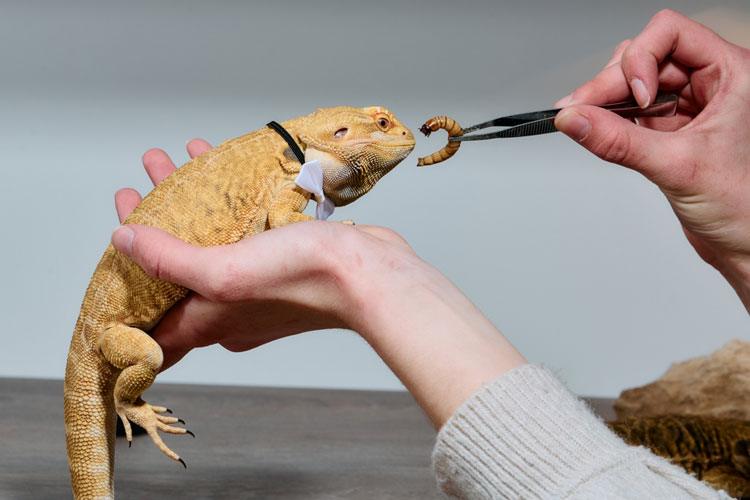
Superworms are a popular choice due to their size, movement, and appeal to adult dragons. Their active wriggling triggers a strong feeding response, making them ideal for picky eaters or reptiles that need encouragement to eat.
Superworms offer substantial calories and protein, which can support weight maintenance and energy levels. However, their outer shell is thicker than that of other feeder insects, so they are generally recommended for larger juveniles and adults rather than very young dragons.
Benefits of superworms include:
- Highly stimulating movement that encourages feeding
- Good calorie density for active or underweight dragons
- Easy to store and handle compared to crickets
Because of their richness, superworms are often best used as part of a varied diet rather than the sole food source.
Mealworms: Convenient and easy to manage
Mealworms are widely available and simple to maintain, making them a common feeder option for reptile owners. They move less aggressively than superworms, which can be helpful for younger dragons or calmer feeders.
While mealworms are convenient, they should be offered thoughtfully. Their firmer outer layer and moderate nutritional profile make them better suited as a supplemental feeder rather than a primary staple for growing dragons.
Advantages of mealworms include:
- Low maintenance storage requirements
- Minimal noise and odor compared to crickets
- Consistent size for portion control
When gut-loaded with nutritious foods before feeding, mealworms can contribute valuable nutrients as part of a balanced rotation.
Crickets: Active, lean, and widely recommended
Crickets have long been considered one of the Best Feeder Insects for Bearded Dragons, especially for juveniles. Their lean protein content and energetic movement encourage natural hunting and provide a good nutritional foundation.
Because crickets are smaller and softer than superworms, they are easier for young dragons to consume safely. They also support hydration due to their body composition when properly fed before use.
Key advantages of crickets include:
- Excellent for young and growing bearded dragons
- Encourage exercise through active hunting
- Relatively lean protein source
However, crickets require more maintenance. They can be noisy, produce odor, and must be kept in appropriate conditions to remain healthy prior to feeding.
Which feeder insect is best for different life stages?
The ideal feeder often depends on your dragon’s age and size. Juveniles typically benefit from smaller, softer insects that are easy to digest and support rapid growth. Adults, on the other hand, can handle larger prey and may benefit from higher-calorie options.
Younger dragons generally consume more insects overall, while adults transition toward a diet with increased plant matter. Offering a variety of insects helps ensure balanced nutrition and prevents feeding fatigue.
Importance of variety and gut loading
Even when identifying the Best Feeder Insects for Bearded Dragons, no single insect should dominate the diet indefinitely. Variety reduces the risk of nutritional gaps and keeps feeding stimulating.
Gut loading—feeding insects nutritious foods before offering them to your dragon—significantly enhances their value. Fresh vegetables, leafy greens, and specialized insect diets improve the quality of nutrients passed on to your reptile.
Supplementation with appropriate calcium and vitamin powders may also be recommended, depending on your husbandry setup and veterinary guidance.
Practical considerations for reptile owners
Beyond nutrition, practical factors influence feeder choice. Storage requirements, cost, odor, noise, and ease of handling all matter—especially for households maintaining multiple reptiles.
Some owners prefer worms because they are quiet and low maintenance, while others choose crickets for their activity and lean profile. Understanding your own preferences alongside your dragon’s needs leads to a sustainable feeding routine.
Why many keepers rotate all three insects
Rather than selecting a single “winner,” many experienced reptile keepers rotate superworms, mealworms, and crickets to provide balanced nutrition and enrichment. This approach mirrors natural feeding patterns and prevents boredom.
Rotating feeders also allows owners to adjust based on the dragon’s condition, appetite, and seasonal behavior changes. For example, a more active dragon may benefit from higher-energy feeders, while a calmer adult may require lighter options.
Reliable feeder insects from Sunshine State Worms
Access to healthy, high-quality feeder insects is essential for maintaining reptile health. Sunshine State Worms specializes in providing fresh, nutritious live insects raised and handled with care. Their selection of superworms, mealworms, and other feeders ensures reptile owners can confidently provide the Best Feeder Insects for Bearded Dragons without worrying about quality or availability. By focusing on freshness, proper handling, and dependable supply, Sunshine State Worms helps keepers support their pets’ long-term well-being.
Frequently Asked Questions
Can bearded dragons eat only one type of insect?
While they can survive on a single feeder type temporarily, a varied diet is recommended to ensure balanced nutrition and prevent deficiencies.
Are worms safer than crickets for beginners?
Worms are generally easier to handle and maintain, making them convenient for new reptile owners, though variety is still important.
How often should insects be fed to adult bearded dragons?
Adult dragons typically require fewer insect meals than juveniles, with more emphasis on vegetables, but schedules vary by individual needs.
Do feeder insects need to be prepared before feeding?
Yes, gut loading and proper supplementation can significantly improve their nutritional value for your reptile.

Recent reviews
-
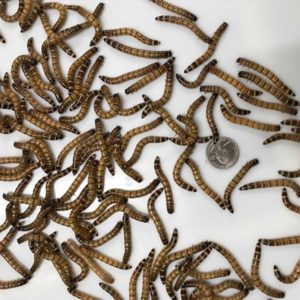 1.25-2" Large Superworms
by Vance Vodicka
1.25-2" Large Superworms
by Vance Vodicka
-
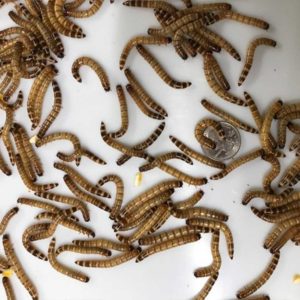 1-1.25" Medium Superworms
by Kassandra Roaix
1-1.25" Medium Superworms
by Kassandra Roaix
-
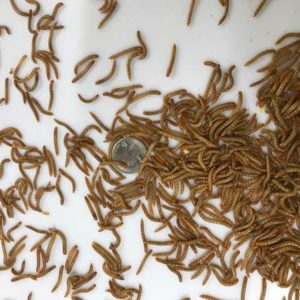 1/2-3/4" Medium Mealworms
by Candace
1/2-3/4" Medium Mealworms
by Candace