Mealworms: A High-Protein Feeder Insect for Healthy Pets
Mealworms are one of the most popular feeder insects for reptiles, birds, amphibians, and many small animals. Known for their excellent balance of protein and healthy fats, they provide valuable nutrition while encouraging natural feeding behaviors. Whether you care for a growing bearded dragon, backyard chickens, insect-eating birds, hedgehogs, or other exotic pets, choosing high-quality mealworms can make a meaningful difference in your animals’ overall health. Understanding their nutritional value, proper feeding practices, and storage methods helps ensure your pets receive safe and beneficial live feeders.
Why Mealworms Are an Excellent Protein Source
Focus Keyword: Mealworms
Mealworms are the larval stage of the darkling beetle (Tenebrio molitor) and have become a trusted feeder insect because they offer an ideal combination of protein, fat, and moisture for many insect-eating pets. Their nutritional profile supports muscle development, healthy body condition, and sustained energy levels while also providing mental stimulation through natural hunting behavior.
Many pet owners choose mealworms because they are:
- High in protein to support growth and muscle maintenance.
- A valuable source of healthy fats for energy.
- Suitable for reptiles, birds, amphibians, hedgehogs, and other small animals.
- Easy to store and feed.
- Available in multiple sizes for different species and life stages.
When incorporated into a balanced feeding routine, mealworms can become an important nutritional component without replacing species-specific dietary requirements.
Which Animals Benefit Most from Mealworms?
Many animals naturally consume insects in the wild, making mealworms an excellent supplemental or staple feeder depending on the species.
Pet Reptiles
Bearded dragons, leopard geckos, skinks, anoles, and many other reptiles readily consume mealworms. Juveniles and adults can benefit from the protein and fat they provide, although feeding frequency should always match the animal’s age, activity level, and nutritional needs.
Pet Birds
Insect-eating birds appreciate mealworms as an excellent source of supplemental protein. Breeding birds, growing chicks, and recovering birds often require additional protein to maintain optimal health.
Small Mammals
Hedgehogs, sugar gliders, and certain omnivorous small animals may enjoy mealworms as an occasional protein-rich treat when fed appropriately as part of a balanced diet.
Amphibians
Many frogs, salamanders, and similar insectivorous amphibians accept mealworms readily, particularly when offered live to stimulate natural feeding responses.
Understanding the Nutritional Benefits of Mealworms
One reason mealworms remain among the most widely recommended feeder insects is their concentrated nutrition.
Protein supports tissue growth, muscle repair, and healthy development in growing animals.
Healthy Fat provides energy for active reptiles, birds during breeding season, and animals recovering from illness.
Natural Feeding Enrichment encourages instinctive hunting behavior, reducing boredom for captive animals.
Convenient Feeding allows owners to provide consistent nutrition without complicated preparation.
Mealworms should always complement a balanced diet that includes other feeder insects, vegetables, commercial diets, or species-specific nutritional requirements when appropriate.
How Often Should You Feed Mealworms?
Feeding frequency depends on the species, age, and overall dietary plan.
Young, rapidly growing reptiles often consume insects more frequently than adults. Birds may receive mealworms as supplemental protein during nesting or molting periods. Small mammals typically receive them as occasional treats rather than primary food sources.
Providing dietary variety helps ensure pets receive balanced nutrition while preventing excessive fat intake from relying exclusively on one feeder insect.
Choosing High-Quality Mealworms Matters
Not all mealworms are raised under the same conditions. Healthy, properly maintained mealworms offer better nutritional value and improved feeding results.
Look for mealworms that are:
- Active and healthy.
- Raised in clean environments.
- Properly fed before sale.
- Available in multiple sizes for different animals.
- Packaged to maintain freshness during shipping.
Purchasing from a trusted breeder helps ensure your pets receive consistently healthy feeder insects.
Proper Storage for Live Mealworms
Proper storage extends the life of live mealworms while maintaining their nutritional quality.
Most live mealworms should be refrigerated to slow development until feeding time. They should also receive appropriate bedding and occasional moisture sources such as carrots or potatoes according to supplier recommendations. Maintaining clean containers helps reduce waste buildup and promotes healthier feeders.
Supporting Healthy Growth Through Gut Loading
Gut loading refers to feeding nutritious foods to mealworms before offering them to pets. This practice increases the nutritional value transferred to reptiles, birds, and other insect-eating animals.
Quality breeders often maintain well-fed colonies that provide healthier insects from the beginning. Additional gut loading before feeding can further improve overall nutrition depending on the dietary needs of your pet.
Mealworms Compared to Other Feeder Insects
Each feeder insect offers unique nutritional characteristics.
Crickets generally provide lean protein with lower fat content.
Dubia roaches are popular for their excellent protein-to-fat ratio.
Black soldier fly larvae are often selected for their naturally higher calcium levels.
Mealworms remain an outstanding choice because they are widely accepted by pets, easy to store, convenient to feed, and highly nutritious when used as part of a varied diet.
Why Pet Owners Continue Choosing Mealworms
Mealworms have remained one of the industry’s most trusted feeder insects because they consistently deliver reliable nutrition while being simple to maintain.
Pet owners appreciate their:
Excellent acceptance by many species.
Reliable year-round availability.
Simple storage requirements.
Convenient feeding process.
High protein and healthy fat content.
Combined with proper husbandry and balanced nutrition, mealworms continue to support healthy reptiles, birds, amphibians, and small mammals around the world.
Choose Premium Mealworms from Sunshine State Worms
When quality matters, Sunshine State Worms provides healthy, carefully raised mealworms that support the nutritional needs of reptiles, birds, amphibians, and small animals. Whether you’re feeding a single pet or maintaining a larger collection, their commitment to quality breeding, proper care, and dependable availability helps ensure your animals receive nutritious live feeders you can trust.
Explore additional resources and products from Sunshine State Worms by visiting Home, learning more About Us, browsing the Shop, or reading more helpful articles on the Blog.
Frequently Asked Questions
Are mealworms suitable as a daily food source?
Mealworms can be fed regularly for some species, but most pets benefit from a varied diet that includes multiple feeder insects and species-appropriate foods to provide balanced nutrition.
Which reptiles commonly eat mealworms?
Many reptiles, including bearded dragons, leopard geckos, skinks, and several other insect-eating species, readily consume mealworms as part of a balanced feeding plan.
How should live mealworms be stored?
Most live mealworms should be refrigerated to slow their development while being kept in clean bedding with occasional moisture sources according to supplier recommendations.
Do mealworms offer good nutritional value?
Yes. Mealworms provide high-quality protein and beneficial fats that support growth, energy, and overall health when included in a properly balanced diet.

Recent reviews
-
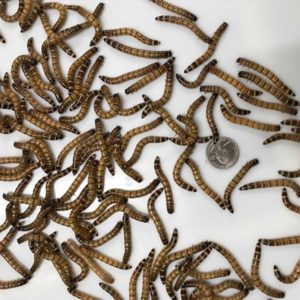 1.25-2" Large Superworms
by Michael
1.25-2" Large Superworms
by Michael
-
1.25-2" Large Superworms
by Lavonne Lilley
-
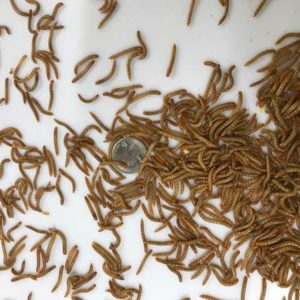 1/2-3/4" Medium Mealworms
by Kathy Bevacqua
1/2-3/4" Medium Mealworms
by Kathy Bevacqua