
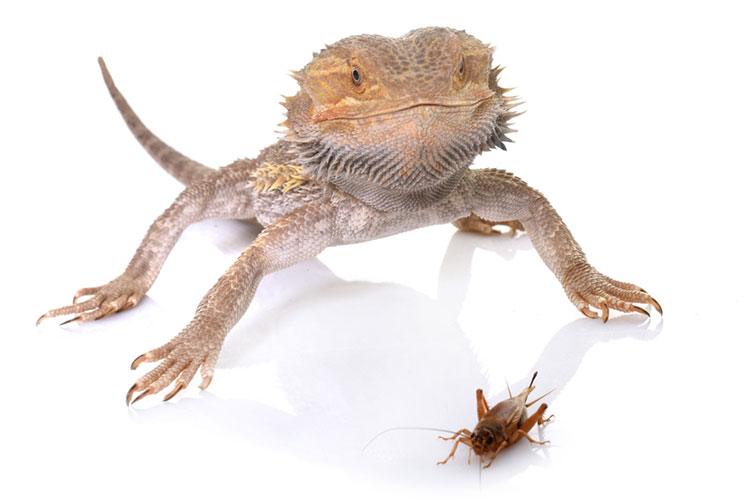
Beginner’s Guide to Live Crickets for Bearded Dragons: Best Feeding & Care Tips
Choosing the right diet is one of the most important responsibilities when caring for a bearded dragon, and live crickets for bearded dragons remain one of the most popular and effective feeder insects. For beginners, understanding how to select, store, and feed crickets properly can significantly impact your reptile’s health, growth, and overall behavior. This guide breaks down everything you need to know, from feeding schedules to care tips that ensure your crickets stay nutritious and safe.
Why Live Crickets for Bearded Dragons Are a Top Choice
Live crickets for bearded dragons are widely used because they are rich in protein, easy to digest, and stimulate natural hunting instincts. Bearded dragons thrive when they actively chase their food, and crickets provide both nutrition and enrichment.
Nutritional Benefits of Live Crickets
Crickets offer a well-balanced nutrient profile that supports growth and energy levels, especially for juvenile dragons. When properly gut-loaded, they become even more valuable as a dietary staple.
- High protein content to support muscle development and growth
- Natural movement that encourages exercise and mental stimulation
- Customizable nutrition through gut-loading and dusting supplements
To maximize their benefits, always purchase high-quality feeders from trusted sources like Sunshine State Worms and ensure proper care before feeding.
How Many Crickets Should You Feed?
Feeding amounts depend on your bearded dragon’s age, size, and activity level. Younger dragons require more protein, while adults transition to a more plant-based diet.
Feeding Guidelines by Age
Baby bearded dragons may eat dozens of small crickets per day, while adults typically consume fewer insects.
General Feeding Recommendations
- Juveniles: Multiple feedings daily with small, appropriately sized crickets
- Adults: 1–2 feedings daily with larger crickets and more vegetables
- Size rule: Crickets should not be larger than the space between your dragon’s eyes
You can also explore other feeder options like mealworms or superworms to diversify their diet.
Best Practices for Feeding Live Crickets for Bearded Dragons
Proper feeding is more than just dropping crickets into the enclosure. It involves preparation and timing to ensure your pet gets the maximum nutritional benefit.
Gut-Loading and Supplementation
Before feeding, crickets should be gut-loaded with nutritious foods such as leafy greens, vegetables, and commercial cricket diets. This process enriches the insects with vitamins that transfer to your dragon.
Dusting crickets with calcium and vitamin supplements is equally critical. This helps prevent common health issues like metabolic bone disease.
Safe Feeding Techniques
Avoid leaving uneaten crickets in the enclosure, as they may bite your dragon or create stress. Feed only what your pet can consume within a short time.
For consistent quality and properly raised feeders, consider ordering from live cricket suppliers that specialize in reptile nutrition.
How to Store and Care for Live Crickets
Maintaining healthy crickets is essential for providing safe and nutritious meals. Poorly kept crickets can die quickly or lose their nutritional value.
Ideal Storage Conditions
Crickets should be kept in a well-ventilated container with proper temperature and humidity levels.
Key Care Tips
Maintain temperatures between 70–80°F, provide fresh food daily, and keep their habitat clean to prevent odor and bacteria buildup.
Providing hydration sources such as water crystals helps prevent drowning while ensuring they remain active and healthy.
Common Mistakes Beginners Should Avoid
Many new reptile owners unintentionally make feeding mistakes that can impact their pet’s health. Understanding these pitfalls early will help you avoid long-term issues.
Overfeeding, offering crickets that are too large, or neglecting supplementation are among the most frequent errors. Additionally, failing to remove uneaten crickets can lead to stress and potential injury.
Another common mistake is sourcing low-quality feeders. Choosing reputable providers like trusted cricket suppliers ensures consistency and safety in your dragon’s diet.
Why Quality Matters in Live Crickets for Bearded Dragons
Not all crickets are created equal. The nutritional value of live crickets for bearded dragons depends heavily on how they are raised, fed, and handled before reaching you.
High-quality crickets are more active, better nourished, and less likely to carry contaminants. Investing in premium feeders directly impacts your dragon’s health, energy levels, and lifespan.
Expert Live Feeder Solutions from Sunshine State Worms
When it comes to sourcing live crickets for bearded dragons, Sunshine State Worms stands out as a reliable provider committed to quality and consistency. Their feeders are carefully raised, properly fed, and shipped to ensure maximum freshness and nutritional value.
Whether you are a beginner or an experienced reptile owner, Sunshine State Worms offers a wide selection of live feeders tailored to your pet’s needs. Their expertise ensures that your bearded dragon receives safe, healthy, and nutrient-rich food every time.
Frequently Asked Questions
How often should I feed live crickets to my bearded dragon?
Young bearded dragons typically need crickets multiple times a day, while adults usually require them once or twice daily along with vegetables.
Can bearded dragons eat only crickets?
No, while crickets are an important protein source, a balanced diet should also include vegetables and occasional alternative insects.
Do crickets need to be fed before giving them to my dragon?
Yes, gut-loading crickets with nutritious foods ensures your dragon receives essential vitamins and minerals.
What happens if uneaten crickets stay in the tank?
Leftover crickets can bite your dragon, cause stress, and create an unsanitary environment, so they should always be removed.

Recent reviews
-
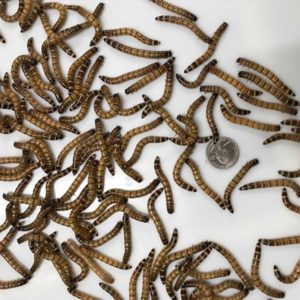 1.25-2" Large Superworms
by Michael
1.25-2" Large Superworms
by Michael
-
1.25-2" Large Superworms
by Lavonne Lilley
-
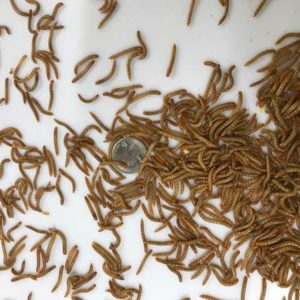 1/2-3/4" Medium Mealworms
by Kathy Bevacqua
1/2-3/4" Medium Mealworms
by Kathy Bevacqua