High-Protein Feeder Insects: Why Live Crickets, Mealworms, and Hornworms Boost Reptile Growth
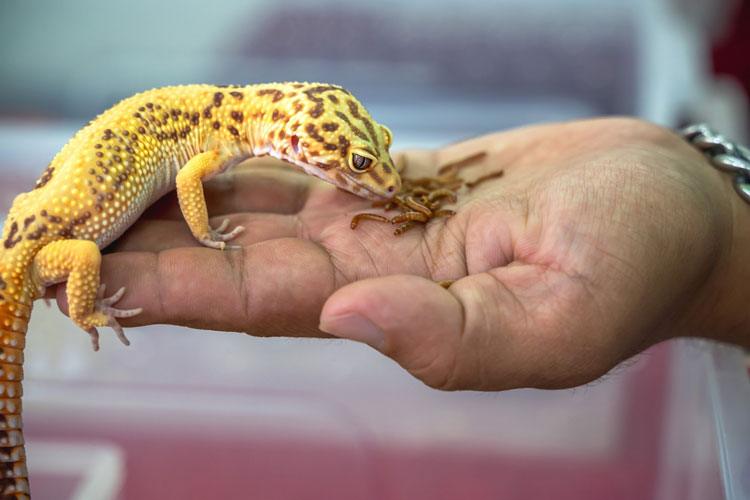
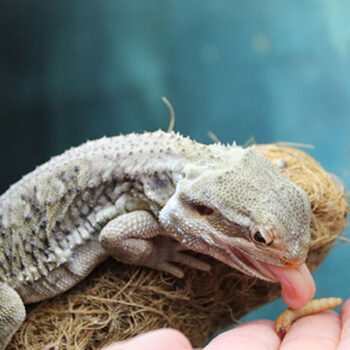
If you own a bearded dragon, leopard gecko, chameleon, monitor lizard, or other insect-eating reptile, choosing the right high-protein feeder insects can significantly impact growth, energy levels, muscle development, and overall health. Live feeder insects provide essential nutrients that support healthy bones, proper shedding, strong immune function, and natural hunting behaviors. Among the most popular options, crickets, mealworms, and hornworms continue to be trusted by reptile keepers because they offer unique nutritional benefits that contribute to healthy reptile growth and development.
Many reptile owners focus on quantity when feeding, but quality matters just as much. Providing a diverse diet that includes multiple high-protein feeder insects helps create a more balanced nutritional profile while keeping feeding time stimulating and natural.
Why High-Protein Feeder Insects Matter for Reptile Growth
Reptiles require protein to build muscle tissue, support organ development, repair cells, and maintain healthy body functions. Young reptiles, especially juveniles, often need higher protein intake because they experience rapid growth during their first months or years of life.
High-protein feeder insects provide:
- Essential amino acids for growth and muscle development
- Natural enrichment through hunting and feeding behavior
- Nutrients that support healthy skin, shedding, and immune function
- Energy for active reptiles and growing juveniles
When combined with proper supplementation and gut-loading practices, live insects become one of the most effective ways to provide species-appropriate nutrition.
Crickets: The Classic High-Protein Feeder Insect
Crickets remain one of the most widely used feeder insects in the reptile industry. Their active movement encourages natural hunting instincts, making them especially attractive to reptiles that rely on visual prey recognition.
Crickets contain significant protein levels while remaining relatively lean, making them suitable as a staple feeder for many species. They are available in multiple sizes, allowing owners to match insect size to the reptile’s age and mouth width.
Benefits of Feeding Crickets
Crickets provide several advantages for reptile owners:
- High protein content that supports growth and development
- Excellent feeder for juvenile reptiles with high nutritional demands
- Natural movement stimulates feeding responses
- Easy to gut-load with nutrient-rich foods before feeding
Properly gut-loaded crickets can deliver additional vitamins and minerals to reptiles, improving the nutritional value of every feeding session. Crickets have become one of the most popular feeder insects worldwide because of their availability and nutritional versatility.
Mealworms: Protein-Rich and Convenient
Mealworms are another highly popular option among reptile keepers seeking reliable high-protein feeder insects. These larvae are valued for their convenience, long shelf life, and nutritional content.
Mealworms can be stored easily and remain viable longer than many other feeder insects. They are commonly used for reptiles, amphibians, fish, and birds because they provide a valuable source of protein and energy.
Advantages of Mealworms
Mealworms offer several benefits:
Easy Storage
Mealworms require minimal maintenance and can be kept for extended periods under proper conditions.
High Protein Content
Their protein-rich nutritional profile makes them useful for growing reptiles and active insectivores.
Excellent Supplemental Feeder
Mealworms work well as part of a varied feeding schedule that includes other insects.
Easy Gut-Loading
Mealworms readily consume nutritious foods before being offered to reptiles, helping increase nutritional value.
For best results, mealworms should be incorporated into a diverse feeding program rather than being the sole feeder insect.
Hornworms: Hydration and Growth Support
Hornworms have become increasingly popular among reptile enthusiasts because of their soft bodies, bright coloration, and impressive moisture content.
Unlike many feeder insects, hornworms contain substantial water, helping support hydration while still providing beneficial nutrients. Many reptiles eagerly accept hornworms due to their movement and appealing texture.
Why Hornworms Are Valuable
Hornworms provide several unique benefits:
Additional Hydration
Their high moisture content can help support hydration in reptiles.
Soft Bodied
They are easy to digest and suitable for many species.
Excellent Feeding Response
The bright color and movement often trigger strong feeding instincts.
Variety and Enrichment
Adding hornworms creates dietary diversity that can encourage healthy feeding behaviors.
Hornworms are often used alongside crickets and mealworms to create a more balanced and stimulating feeding routine.
Why Variety Produces Better Results
No single feeder insect provides every nutrient a reptile needs. Experienced reptile keepers often rotate multiple insect species to create a more complete nutritional profile.
Research and husbandry experience consistently show that feeder variety supports better overall nutrition and helps prevent reliance on a single food source. A varied feeder rotation exposes reptiles to different protein levels, moisture content, fat levels, and micronutrients.
Combining crickets, mealworms, and hornworms allows reptile owners to leverage the strengths of each feeder while minimizing nutritional gaps.
Maximizing the Benefits of High-Protein Feeder Insects
To get the most value from feeder insects, reptile owners should follow several best practices.
Gut-Load Before Feeding
Feeder insects should consume nutrient-rich foods 24 to 48 hours before being fed to reptiles. This process helps transfer additional nutrients to the reptile.
Provide Appropriate Insect Sizes
Choose feeder insects that are appropriately sized for the reptile’s age and species.
Use Proper Supplementation
Calcium and vitamin supplementation should be provided according to species-specific requirements.
Offer Multiple Insect Species
Rotating crickets, mealworms, hornworms, and other feeders helps promote balanced nutrition.
Choosing Quality Feeder Insects Matters
The quality of feeder insects directly affects reptile health. Healthy, properly raised insects provide better nutrition and improved feeding results compared to poorly maintained feeders.
When purchasing feeder insects, look for suppliers that prioritize freshness, proper care, and consistent quality. Fresh insects are more active, more nutritious, and more appealing to reptiles.
For reptile owners seeking dependable high-protein feeder insects, sourcing from a trusted breeder can make a significant difference in long-term reptile health and growth.
Why Reptile Owners Trust Sunshine State Worms
At Sunshine State Worms, we understand the importance of providing reptiles with premium-quality live feeders. We offer healthy crickets, nutritious mealworms, hornworms, and other feeder insects that support proper growth, development, and overall wellness for reptiles of all sizes.
Whether you are feeding a growing bearded dragon, an active leopard gecko, a chameleon, or another insectivorous reptile, our carefully maintained feeders are raised to help provide consistent nutrition and excellent feeding responses. We are committed to helping reptile owners access reliable live feeders that support healthier pets and better husbandry outcomes.
Learn more about our feeder insects and reptile nutrition resources by visiting:
Sunshine State Worms Home,
Live Mealworms,
Live Hornworms, and
Reptile Care Blog.
Frequently Asked Questions
Which feeder insect is best for reptile growth?
Crickets, mealworms, and hornworms all support reptile growth when used as part of a varied feeding program. Crickets are often considered a staple because of their protein content and activity level.
Can reptiles live on mealworms alone?
While mealworms provide valuable protein, most reptile experts recommend offering multiple feeder insect species to provide broader nutritional benefits and dietary variety.
How often should I feed hornworms to my reptile?
Hornworms are commonly used several times per week as part of a balanced rotation. Feeding frequency depends on the reptile species, age, and dietary needs.
Should feeder insects be gut-loaded before feeding?
Yes. Gut-loading insects 24 to 48 hours before feeding can improve the nutritional value delivered to your reptile and is considered a best practice by many reptile keepers.

Recent reviews
-
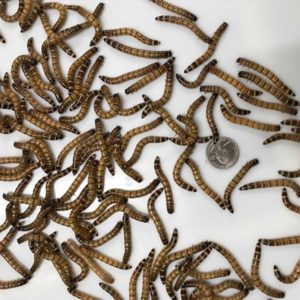 1.25-2" Large Superworms
by Michael
1.25-2" Large Superworms
by Michael
-
1.25-2" Large Superworms
by Lavonne Lilley
-
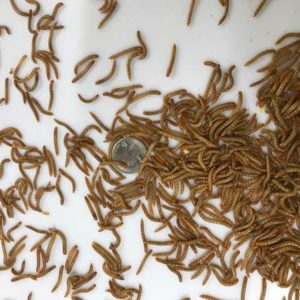 1/2-3/4" Medium Mealworms
by Kathy Bevacqua
1/2-3/4" Medium Mealworms
by Kathy Bevacqua