
Cricket Feeding Guide: How to Gut Load Crickets for Maximum Nutrition
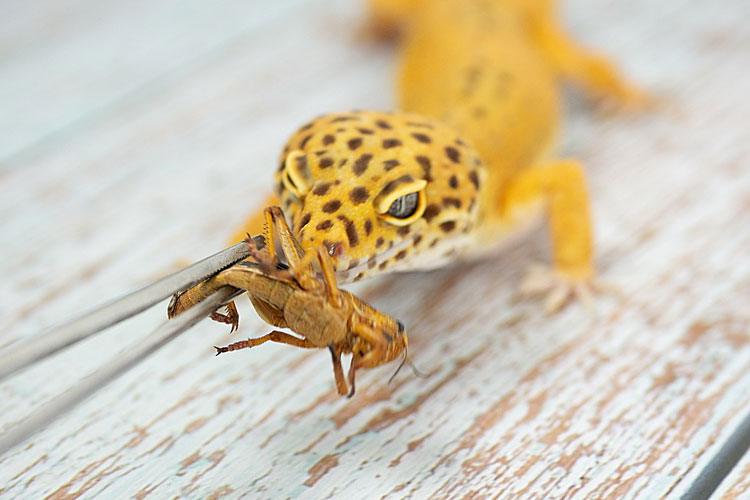
When it comes to feeding reptiles, amphibians, and insect-eating pets, what your feeder insects eat matters just as much as the insects themselves. This Cricket Feeding Guide will walk you through how to properly gut load crickets so they deliver optimal nutrition to your pets. Gut loading is not just a recommendation—it is a critical step in maintaining your animal’s long-term health, growth, and vitality.
What Is Gut Loading and Why It Matters
Gut loading is the process of feeding crickets nutrient-rich foods before offering them to your pet. The goal is to ensure that the crickets’ digestive systems are full of beneficial nutrients that transfer directly to your reptile or amphibian.
Without gut loading, crickets provide minimal nutritional value. Proper gut loading transforms them into a powerful delivery system for vitamins, minerals, and hydration.
Key Benefits of Gut Loading
- Improves calcium intake to support bone health
- Enhances vitamin delivery including A, D3, and E
- Boosts hydration for reptiles that rely on prey moisture
- Supports overall vitality and immune function
Best Foods for Gut Loading Crickets
Choosing the right foods is essential for effective gut loading. A balanced mix of vegetables, fruits, and dry nutrients will ensure your crickets are as nutritious as possible.
High-Value Gut Load Foods
Leafy greens like collard greens, mustard greens, and dandelion greens are excellent staples. These are rich in calcium and essential vitamins.
Vegetables such as carrots, squash, and sweet potatoes provide beta-carotene and long-lasting moisture. Fruits like oranges and apples can be used sparingly for hydration and natural sugars.
You can also incorporate high-quality commercial gut load formulas. For consistent results, many reptile owners rely on trusted feeders and supplies from Sunshine State Worms.
How Long to Gut Load Crickets
Timing is critical. Crickets should be gut loaded for at least 24 to 48 hours before feeding them to your pet. This window allows the crickets to fully digest and store nutrients.
Shorter periods may not provide adequate nutritional transfer, while longer durations require consistent feeding and maintenance.
Best Practice Timing
Feed crickets nutrient-dense foods daily and remove uneaten items to prevent mold. Keep their environment clean and dry while maintaining access to fresh hydration sources.
If you regularly purchase live feeders, consider sourcing fresh crickets from a reliable supplier like live crickets to ensure optimal quality before gut loading.
Hydration: The Missing Link in Cricket Nutrition
Hydration plays a major role in gut loading. Crickets that are well-hydrated pass that moisture to your pet, which is especially important for reptiles that do not drink standing water.
Use water-rich foods like cucumber or orange slices, or specialized hydration gels designed for feeder insects. Avoid open water dishes, as crickets can drown easily.
Common Gut Loading Mistakes to Avoid
Even experienced reptile owners can make mistakes that reduce the effectiveness of gut loading.
What to Watch Out For
- Using low-nutrient foods like iceberg lettuce
- Overfeeding fruit which can lead to mold and poor gut balance
- Neglecting calcium sources in the diet
- Poor sanitation leading to bacteria and odor buildup
Maintaining a clean enclosure and rotating fresh foods daily will significantly improve your results.
Supplementing Beyond Gut Loading
While gut loading is essential, it works best when combined with proper supplementation. Dusting crickets with calcium and vitamin powders just before feeding ensures your pet receives complete nutrition.
Combining both methods creates a layered approach to feeding—nutrient-rich insects internally and externally.
For a full feeding strategy, pairing gut-loaded crickets with other feeders like mealworms or superworms can provide dietary variety and enrichment.
Creating an Efficient Cricket Feeding Routine
Consistency is key in any Cricket Feeding Guide. Establishing a routine ensures your crickets are always ready to deliver maximum nutrition.
Keep a separate container for gut loading, feed them on a schedule, and track when they are ready to be used. This approach minimizes waste and ensures your pet always receives high-quality feeders.
Simple Routine Example
Day 1: Add fresh gut load foods
Day 2: Maintain hydration and remove waste
Day 3: Feed crickets to your pet
Repeating this cycle ensures continuous availability of properly prepared feeders.
Why Quality Feeders Make the Difference
No matter how well you gut load, starting with healthy crickets is essential. Weak or poorly raised crickets will not absorb or retain nutrients effectively.
That’s why sourcing from a reputable provider matters. Sunshine State Worms offers premium live feeders raised with care, making them ideal for gut loading and consistent feeding routines.
Elevate Your Feeding Strategy
This Cricket Feeding Guide shows that gut loading is not complicated—but it does require intention and consistency. By focusing on nutrient-rich foods, proper timing, hydration, and supplementation, you can significantly improve your pet’s health and longevity.
At Sunshine State Worms, we understand the importance of high-quality feeder insects. Our live crickets, mealworms, and superworms are raised to support optimal nutrition, making them the perfect foundation for your gut loading routine. Whether you are a beginner or an experienced reptile keeper, we provide the feeders and expertise you need to feed with confidence.
Frequently Asked Questions
How long should I feed crickets before giving them to my pet?
Crickets should be gut loaded for about 24 to 48 hours to ensure they are packed with nutrients before feeding.
What foods are best for gut loading crickets?
Leafy greens, carrots, squash, and small amounts of fruit are excellent choices for maximizing nutritional value.
Do crickets need water while gut loading?
Yes, hydration is essential. Use water-rich foods or hydration gels instead of open water to keep crickets healthy.
Is gut loading enough without supplements?
Gut loading is important, but combining it with calcium and vitamin dusting provides the best overall nutrition for your pet.

Recent reviews
-
 1.25-2" Large Superworms
by Terri Sawyer
1.25-2" Large Superworms
by Terri Sawyer
-
1.25-2" Large Superworms
by Brian
-
1.25-2" Large Superworms
by Stefanie Dowd