
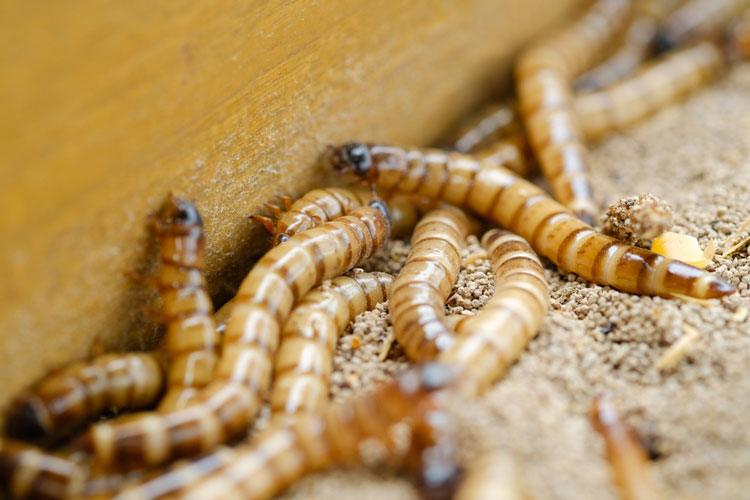
Benefits & Application of Repurposing Mealworm Castings
Mealworms are known for their role in composting, reptile nutrition, and even sustainable farming—but one of the most overlooked benefits is what they leave behind: mealworm castings. These castings (also called frass) are a nutrient-rich, organic soil amendment that can help gardeners improve soil structure, boost plant health, and support stronger root development.
If you’re looking for a sustainable, effective way to fertilize plants without harsh chemicals, repurposing mealworm castings may be one of the smartest upgrades you can make to your garden routine. In this guide, we’ll break down exactly what mealworm castings are, why they’re valuable, and how to apply them properly for the best results.
What Are Mealworm Castings?
Mealworm castings are the natural waste produced by mealworms as they process organic material. Similar to worm castings from red wigglers, mealworm castings are packed with beneficial components that support soil biology.
These castings often contain:
-
Organic matter and micro-nutrients
-
Beneficial microbes
-
Chitin (from shed exoskeletons), which supports plant resilience
-
A balanced nutrient profile compared to synthetic fertilizers
Because mealworms feed on grains and plant-based matter, their castings are clean, garden-friendly, and easy to mix into soil or potting blends.
Why Gardeners Are Turning to Mealworm Castings
Gardeners today want solutions that are both effective and environmentally responsible. Mealworm castings fit that demand perfectly because they improve the soil naturally while supporting long-term plant growth.
Unlike many fast-release fertilizers, mealworm castings condition the soil instead of stressing it. They work with the ecosystem of your garden—helping plants grow stronger without relying on chemical inputs.
Key Benefits of Mealworm Castings in the Garden
Improved Soil Health and Structure
Healthy soil isn’t just “dirt”—it’s a living system. One major advantage of mealworm castings is that they enrich soil texture over time.
Benefits include:
-
Loosens compact soil
-
Supports better airflow for roots
-
Enhances moisture retention without waterlogging
-
Improves drainage in dense soil types
This makes castings valuable for everything from backyard beds to container gardens.
A Natural Source of Plant Nutrition
Mealworm castings contain naturally occurring nutrients that plants rely on for growth. While they’re not as concentrated as synthetic fertilizers, they provide steady, sustainable feeding.
Key nutrients often supported include:
-
Nitrogen for leafy growth
-
Phosphorus for root and flower development
-
Potassium for overall plant strength
Because the nutrients release gradually, they help prevent fertilizer burn and reduce nutrient runoff.
Better Root Development and Stronger Plants
Plants grow from the root system up. When soil biology improves, root development follows.
Mealworm castings encourage:
-
Stronger root networks
-
Better absorption of water and nutrients
-
Increased transplant success
-
Improved resistance to drought conditions
Supports Beneficial Microbial Activity
Your garden thrives when microbes thrive. Mealworm castings support microbial populations that help break down organic matter and make nutrients more available to plants.
This leads to:
-
Enhanced nutrient cycling
-
Improved soil fertility over time
-
Better plant vigor and growth consistency
How to Apply Mealworm Castings Correctly
Top Dressing Garden Beds
Top dressing is one of the easiest and most effective ways to apply mealworm castings.
How to do it:
-
Sprinkle a thin layer (about ¼ to ½ inch) around plants
-
Keep castings a few inches away from the stem base
-
Water thoroughly to help nutrients move into the soil
This approach is ideal for vegetables, flowers, shrubs, and fruit plants.
Mixing Into Potting Soil for Containers
Containers lose nutrients faster than in-ground beds. Mixing mealworm castings into potting soil provides a steady nutrient boost.
Recommended mix:
-
10% to 20% castings mixed into potting soil
-
Blend well before planting
-
Reapply lightly every 4–6 weeks if needed
This works especially well for herbs, peppers, tomatoes, and indoor plants.
Using in Seed Starting Mix
Because they are gentle and organic, mealworm castings can be used in seed-starting blends to help seedlings develop stronger early roots.
Best practice:
-
Use castings sparingly (5%–10% of your seed mix)
-
Combine with coco coir, peat-free soil, and perlite
-
Avoid heavy application so seedlings aren’t overwhelmed
Side Dressing for Heavy Feeders
For plants that require more nutrients—like tomatoes, cucumbers, squash, and fruiting flowers—side dressing provides an extra push during active growth.
How to apply:
-
Place castings in a shallow ring around the plant
-
Lightly work into the top layer of soil
-
Water immediately after
Best Plants to Use Mealworm Castings On
Mealworm castings can support almost any plant type, but they are especially beneficial for:
Vegetables and Fruit Gardens
-
Tomatoes
-
Peppers
-
Lettuce and leafy greens
-
Cucumbers
-
Strawberries
Flower Beds and Ornamentals
-
Roses
-
Hibiscus
-
Marigolds
-
Petunias
-
Sunflowers
Indoor Plants and Herbs
-
Basil
-
Mint
-
Snake plants
-
Pothos
-
Peace lily
If your plant benefits from healthy soil and steady nutrients, mealworm castings are a strong option.
Application Tips to Maximize Results
Don’t Overapply
While mealworm castings are safe, too much can make soil overly rich, especially in containers. Start with small applications and evaluate plant response over 2–3 weeks.
Keep Moisture Consistent
Castings work best when soil is consistently moist (not soggy). Regular watering helps microbial activity remain productive.
Pair With Compost for Best Outcomes
For gardeners who want the best possible results, use castings alongside compost. Compost provides bulk organic matter, while castings enhance microbial life and nutrient availability.
Use Throughout the Growing Season
Mealworm castings are not a one-time fix. Reapply lightly during the season for ongoing soil support and plant nutrition.
Why Mealworm Castings Are a Smart Sustainable Choice
Beyond plant performance, there’s a strong sustainability advantage. Repurposing castings reduces waste and creates a closed-loop garden ecosystem.
This is especially valuable for:
-
Organic gardeners avoiding chemical fertilizers
-
Families growing food crops
-
Growers who want long-term soil improvement
-
Eco-conscious homeowners building healthier yards
Mealworm castings allow your garden to thrive naturally—while supporting cleaner soil practices for the long haul.
Sunshine State Worms
If you’re ready to upgrade soil health without harsh synthetic products, mealworm castings are one of the most effective natural amendments you can use. They strengthen soil structure, support beneficial microbes, and provide a gentle nutrient source that improves plant success season after season.
Whether you sprinkle them into beds, blend them into container soil, or side-dress your heavy feeders, mealworm castings offer practical results that gardeners can actually see. And since they’re sustainable and easy to apply, they fit into almost any growing style—from backyard gardens to advanced home horticulture.
For premium-quality castings and mealworm products you can trust, contact Sunshine State Worms for sustainable solutions that support stronger gardens naturally.
Frequently Asked Questions
What are mealworm castings made of?
Mealworm castings are made from digested organic matter processed by mealworms. They also often contain beneficial microbes and trace minerals that improve soil quality.
Are mealworm castings safe for vegetable gardens?
Yes. When sourced cleanly and applied properly, mealworm castings are safe for vegetables and herbs and help improve soil health for edible crops.
How often should I apply mealworm castings?
For most gardens, applying every 4–6 weeks during the growing season works well, especially in containers or heavy-feeding vegetable beds.
Can mealworm castings replace fertilizer completely?
They can reduce your reliance on fertilizer significantly, but some plants may still benefit from additional organic feeding depending on soil condition and crop demands.

Recent reviews
-
 3/4-1" Small Superworms
by Pru Belle
3/4-1" Small Superworms
by Pru Belle
-
 1/2-3/4" Medium Mealworms
by Colleen
1/2-3/4" Medium Mealworms
by Colleen
-
1/2-3/4" Medium Mealworms
by Will Peratino