

Live Crickets, Mealworms, Hornworms, or Waxworms: Which Feeder Suits Your Reptile?
A tub of insects can look like a simple purchase until you’re choosing between a jumping cricket, a crunchy mealworm, and a bright green hornworm. Each offers something different, and the best choice depends on your reptile’s species, age, size, and overall diet. Live crickets, mealworms, hornworms, and waxworms are not interchangeable foods. Some work well in a regular feeder rotation, while others are better reserved for occasional treats. Here’s how to choose with your animal’s needs in mind.
How These Four Reptile Feeders Compare
Start by confirming what your reptile naturally eats. Insect-eating lizards need a different feeding plan from herbivorous reptiles, and omnivores may need their insect intake adjusted as they mature. No single insect provides a complete diet on its own. Variety, appropriate supplementation, and correct husbandry matter as much as the feeder you select.
Live Crickets: Active Prey for Regular Rotation
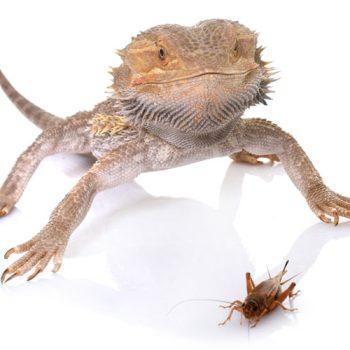
For reptiles that respond to movement, live crickets can be a useful part of a varied feeding routine. Their hopping and climbing encourage hunting behavior, making them appealing to many insect-eating geckos and lizards. They are available in different sizes, which helps match prey to smaller mouths and growing animals.
Crickets also lend themselves to gut-loading: feeding the insects an appropriate nutrient-rich diet before offering them to your reptile. However, gut-loading does not eliminate the need for a species-appropriate calcium and vitamin plan.
The trade-off is maintenance. Crickets need suitable ventilation, food, and a safe moisture source. They can escape, make noise, and hide in enclosures. Offer manageable quantities and remove uneaten insects promptly, since loose crickets can bother or bite a resting reptile. When considering live crickets from Sunshine State Worms, choose size and quantity around your animal’s actual feeding schedule.
Mealworms: Convenient Feeders with a Firmer Shell
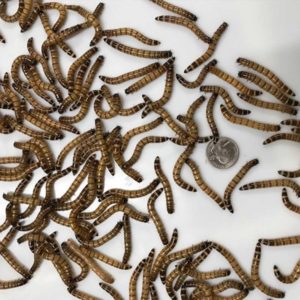
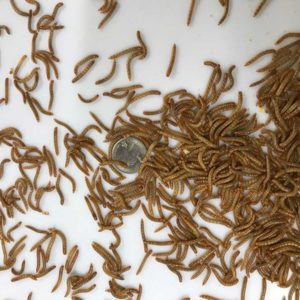
Mealworms are easy to portion and can often be offered in a smooth-sided feeding dish. Their slower movement makes feeding more controlled, although some reptiles find them less exciting than crickets. They can be a practical addition to a varied menu for animals that handle them comfortably.
Compared with soft-bodied larvae, mealworms have a firmer outer covering. That does not automatically make them unsafe, but prey size, hydration, enclosure temperatures, and your reptile’s condition all influence digestion. Avoid oversized portions, particularly for very small or compromised animals.
Use mealworms as part of a rotation rather than assuming convenience equals complete nutrition. Review mealworm options with your reptile’s size and dietary requirements in mind, and follow appropriate storage guidance for the feeders.
Hornworms: Soft-Bodied Variety and Moisture
Hornworms offer a very different texture. These soft-bodied caterpillars contain substantial moisture and can add variety for reptiles that accept them. Their movement and color may interest an animal that ignores less active prey, although appetite changes still deserve attention rather than simply switching foods indefinitely.
The main challenge is growth. Hornworms can become too large for a small reptile quickly, so purchase only what you can use while the insects remain appropriately sized. Their moisture content contributes fluid to a meal, but it does not replace proper access to water or species-specific hydration practices.
Choose captive-raised feeders and keep them on their intended food. Do not collect hornworms from tomato or other garden plants for feeding; plant-derived compounds and pesticide exposure can make wild caterpillars unsuitable. Explore live hornworms as a supplemental feeder, not a complete dietary solution.
Waxworms: An Occasional, Rich Treat
Waxworms are soft, easy to offer, and often eagerly accepted. Their relatively high fat content is the reason to use restraint. They are generally better suited to occasional treats than to the main portion of an insect-eating reptile’s diet.
A reptile that readily eats waxworms may begin rejecting other options if these rich larvae dominate its meals. Keep portions modest and maintain variety. If your animal is underweight, do not assume adding fatty feeders addresses the cause; parasites, illness, husbandry problems, and other issues may require veterinary assessment.
Think of live waxworms as an occasional addition to the menu rather than a substitute for balanced feeding.
Build a Feeding Routine Around Your Reptile
The right feeder is only one part of successful care. Before deciding what goes into the bowl or enclosure, check these basics:
- Match prey to the animal. Follow species-specific size guidance and watch for difficulty catching, swallowing, or digesting insects.
- Prepare feeders appropriately. Gut-load suitable insects and follow a calcium and vitamin schedule that accounts for species, life stage, diet, and UVB exposure.
- Keep husbandry consistent. Appropriate temperatures, hydration, and lighting support normal appetite and digestion.
- Adjust portions thoughtfully. Monitor body condition and feeding response rather than using one fixed insect count for every reptile.
For many insect-eating reptiles, crickets can fill a regular place in the rotation, mealworms offer another texture, hornworms add soft-bodied variety, and waxworms remain occasional treats. That is a starting framework, not a universal prescription. A reptile veterinarian can help tailor the balance, especially for juveniles, breeding animals, or pets with ongoing health concerns.
Choosing Feeders with Sunshine State Worms
Sunshine State Worms offers live crickets, live mealworms, live hornworms, and live waxworms, giving reptile keepers options for building a varied feeder rotation. Reliable feeding starts with selecting suitable insects and planning how you will care for them after arrival. Check current availability, choose manageable quantities, and follow feeder-specific care guidance. The best purchase is the one that fits your reptile’s nutritional needs—not simply its favorite treat.
Frequently Asked Questions
Are live crickets a better feeder than mealworms?
Neither is universally better. Crickets encourage hunting and can fit well into a regular feeder rotation, while mealworms are convenient to portion and offer a different texture. Your reptile’s species, size, health, and overall diet determine the best balance.
Is it safe to leave live crickets in a reptile enclosure overnight?
It is best to remove uneaten crickets promptly rather than leave them overnight. They can hide in the enclosure and may bother or bite a resting reptile. Supervised feeding also helps you track how much your pet actually eats.
Can hornworms replace other insects in a reptile’s diet?
Hornworms should not be the sole food source. They provide moisture and soft-bodied variety but do not supply complete nutrition on their own. Offer appropriately sized, captive-raised hornworms within a species-appropriate feeding plan.
How frequently should reptiles get waxworms?
Waxworms are generally best offered occasionally because they are relatively high in fat. Suitable portions and frequency depend on your reptile’s species, body condition, and total diet. Avoid using them as the main feeder or as a substitute for investigating persistent appetite or weight problems.

Recent reviews
-
 1.25-2" Large Superworms
by Judy
-
 1/2-3/4" Medium Mealworms
by Brian
-
1/2-3/4" Medium Mealworms
by Rebecca Powers