

Live Crickets, Mealworms, Hornworms, or Waxworms: Which Feeder Is Best?
Choosing between live crickets, mealworms, hornworms, or waxworms depends on the animal you feed, its age, its health, and the role each insect will play in its diet. No single feeder is ideal for every reptile, amphibian, bird, or insect-eating pet. Crickets are versatile, mealworms are convenient, hornworms supply moisture, and waxworms make appealing occasional treats. Understanding those differences can help you build a more varied and appropriate feeding routine.
Comparing Live Feeder Insects
Feeder insects differ in moisture, fat, protein, movement, and exoskeleton thickness. They should also be appropriately sized, gut-loaded when suitable, and offered according to your animal’s species-specific needs. For many pets, variety is more useful than relying exclusively on one insect.
- Crickets: Active, versatile feeders that encourage hunting behavior.
- Mealworms: Easy-to-handle insects with a firmer outer shell.
- Hornworms: Soft-bodied, moisture-rich feeders that grow quickly.
- Waxworms: Soft, high-fat insects best reserved for occasional feeding.
Live Crickets: A Versatile Everyday Option
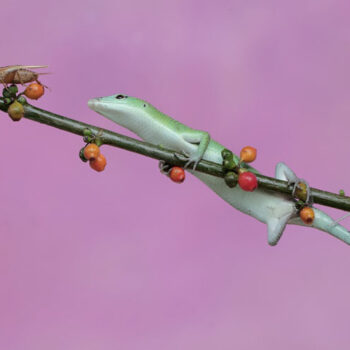
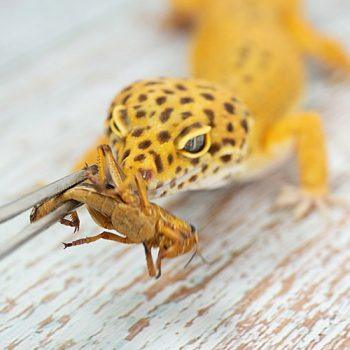
Live crickets are commonly used for bearded dragons, leopard geckos, anoles, frogs, tarantulas, and many other insect-eating animals. Their constant movement can stimulate a natural feeding response, making them especially useful for pets that prefer to chase prey.
Crickets can be gut-loaded before feeding, allowing them to consume nutritious food that is then passed along to the animal. Depending on the pet’s care plan, they may also be lightly dusted with an appropriate calcium or vitamin supplement. Their main drawback is that they can jump, make noise, and hide inside an enclosure. Remove uneaten crickets rather than leaving them with a resting or vulnerable animal.
Best for: Active hunters and animals needing a versatile feeder that can form part of a varied routine.
Live Mealworms: Convenient and Easy to Store
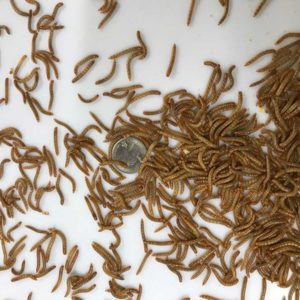
Live mealworms are popular because they are easy to portion, do not jump, and can be stored more simply than many active feeders. They work well in smooth-sided feeding dishes and can be useful when monitoring how much an animal eats.
Mealworms have a tougher exoskeleton than soft-bodied feeders. That does not automatically make them unsuitable, but size, quantity, and the animal’s digestive health matter. Small, appropriately sized mealworms are generally a better choice than oversized prey. They are often used in rotation with crickets or softer insects rather than being treated as the only option.
Best for: Keepers who value convenience and animals that comfortably digest firmer-bodied insects.
Live Hornworms: Soft-Bodied Feeders With High Moisture
Live hornworms have soft bodies and naturally contain substantial moisture. Their bright color and movement can attract animals that have become less interested in other foods. They may be helpful as part of a varied diet when additional dietary moisture is desirable, although they are not a substitute for access to proper hydration.
Hornworms grow rapidly, so ordering and feeding the correct size is important. A feeder should generally be no wider than the space between a reptile’s eyes, though recommendations vary among species. Never collect wild hornworms for feeding because their diet and possible exposure to chemicals are unknown.
Best for: Animals that benefit from a soft feeder, added dietary moisture, or greater feeding interest.
Live Waxworms: An Appealing Occasional Treat
Live waxworms are soft, slow-moving, and highly appealing to many reptiles and other insect eaters. They can encourage a reluctant animal to show interest in food, but their comparatively high fat content means they are usually better as an occasional treat than a primary feeder.
Offering waxworms too frequently may lead some animals to favor them over less-rich feeders. Use them strategically and in modest quantities, particularly for pets that need balanced weight management.
Best for: Occasional variety, supervised treats, or short-term feeding encouragement under an appropriate care plan.
Which Feeder Is Best for Your Animal?
The best feeder insects are the ones that fit the animal’s natural diet, body size, life stage, and current condition. A growing juvenile may have different requirements from an adult, while a breeding or recovering animal may need a plan developed with an experienced exotic-animal veterinarian.
- Choose prey that is appropriately sized for the animal.
- Rotate feeders when the species benefits from dietary variety.
- Gut-load insects and use supplements according to species-specific guidance.
- Remove uneaten insects and keep feeding areas clean.
- Watch appetite, stool quality, activity, and body condition over time.
For many insectivores, crickets can serve as a versatile foundation, mealworms add convenience and texture, hornworms provide a soft and moisture-rich change, and waxworms offer an occasional high-interest treat. Always confirm the right balance for your particular animal rather than applying one feeding schedule to every species.
Find Live Feeder Insects From Sunshine State Worms
Sunshine State Worms provides live crickets, mealworms, hornworms, and waxworms for keepers seeking feeder options in one place. Whether you need an active staple, a convenient dish feeder, a moisture-rich addition, or an occasional treat, the company offers choices that can support a thoughtfully varied feeding routine. Proper selection, storage, and care after arrival remain essential, but starting with a reliable feeder-insect source helps make regular feeding more manageable.
Frequently Asked Questions
Which feeder insect is best for reptiles?
The best feeder depends on the reptile’s species, age, size, and condition. Crickets are versatile, mealworms are convenient, hornworms add moisture, and waxworms are generally best as occasional treats.
Can mealworms replace crickets in a reptile’s diet?
Mealworms can be included in many reptile diets, but they may not be an ideal complete replacement for crickets. Offering multiple suitable feeders can provide greater variety in texture, movement, and nutritional composition.
How often should hornworms be offered?
Frequency depends on the animal’s species and overall feeding plan. Hornworms are commonly offered in rotation with other insects rather than as the only feeder because they are especially soft and moisture-rich.
Why should waxworms only be fed occasionally?
Waxworms contain more fat than many common feeder insects and are highly appealing to pets. Frequent feeding may contribute to unwanted weight gain or cause an animal to favor waxworms over more suitable everyday feeders.

Recent reviews
-
 1/2-3/4" Medium Mealworms
by Rebecca Powers
-
1/2-3/4" Medium Mealworms
by GLENN TAYLOR
-
1/2-3/4" Medium Mealworms
by Liliya & Valeriy