

How to Keep Live Hornworms Healthy Until Feeding Time
Keeping live hornworms healthy comes down to a few everyday details: steady temperatures, fresh food, good airflow, and a clean container. These soft-bodied caterpillars grow quickly, so a cup that looks comfortably stocked today can become crowded before your next feeding session. A simple care routine helps keep them in suitable condition until your reptile or amphibian is ready to eat.
Whether you bought a small cup or several containers, start with the supplier’s care directions. Packaging designs and prepared diets vary, and the setup that arrived with your hornworms is usually the best starting point.
Set Up Live Hornworms for Healthy Storage
Inspect the cup when it arrives
Check the container before putting it away. Healthy hornworms generally grip their surroundings and respond to gentle disturbance, although cooler individuals may move slowly. Look for damaged caterpillars, spoiled food, excessive condensation, or a strong unpleasant odor. Remove dead individuals promptly, and contact the seller if the shipment arrives in poor condition.
Most feeder hornworms arrive in a ventilated cup containing prepared chow and a climbing surface. Keep them in their original setup unless it is damaged, overcrowded, or the supplier recommends a transfer. An improvised sealed tub can trap moisture and limit airflow.
Some cups are designed to stand with the food at the top and the ventilated lid underneath. This arrangement lets waste fall away from the food. Follow the instructions for your particular container, and keep bottom ventilation raised slightly above a solid shelf so air can circulate.
Choose a stable, shaded location
A room around 70–75°F is a reasonable starting point for short-term holding, unless your supplier specifies otherwise. Hornworms develop faster in warmer conditions, so a hot room can turn small feeders into oversized caterpillars surprisingly quickly.
Keep the cup away from sunny windows, heat lamps, heating pads, and parked vehicles. Even if the room feels comfortable, direct sunlight can overheat a small container. Avoid cold drafts and abrupt temperature changes as well.
Do not use a household refrigerator as your default storage method. Hornworms are not stored like mealworms, and prolonged refrigeration can harm them. If you need to slow their growth, ask the supplier for temperature and timing guidance rather than experimenting with repeated chilling.
Manage Food, Moisture, and Daily Cleanup
Use suitable hornworm chow
Live hornworms need access to food while you hold them. The prepared chow supplied in feeder cups provides both nourishment and moisture, but growing caterpillars can consume it quickly. Check the remaining amount each day, especially when several large hornworms share a container.
If replacement food is needed, use a diet specifically intended for feeder hornworms and follow its preparation and storage directions. Avoid swapping in lettuce, fruit, or garden clippings. These substitutions can spoil, offer an unsuitable diet, or introduce pesticide residues.
Do not feed hornworms tomato or tobacco foliage before offering them to your pet. Host plants can contain defensive compounds that make them inappropriate for feeder production. Wild hornworms also have unknown exposure histories; captive-raised feeders are the more controlled option.
A water dish is unnecessary in a properly maintained chow-based setup. Routine misting can make the cup too wet, encouraging spoilage. If the diet is drying out, check the supplier’s guidance rather than spraying the entire enclosure.
Make a quick daily inspection
A brief check is easier than rescuing a neglected container. Focus on these essentials:
- Food: Confirm that chow remains available and is free of visible mold.
- Waste: Remove accumulated droppings without crushing caterpillars or smearing waste into their food.
- Airflow: Keep ventilation openings clear and watch for persistent condensation.
- Condition: Check for crowding, injuries, unusual discoloration, or unresponsive individuals.
Use clean utensils when handling food or waste, and wash your hands afterward. If mold appears, remove affected food and assess whether the container needs replacement. Do not simply mix fresh chow into spoiled material. Separate questionable individuals and avoid offering visibly unhealthy feeders to your animal.
Plan Feeding Around Growth and Your Pet’s Needs
Use appropriately sized hornworms first
Hornworms are temporary feeders, not a long-term pantry item. Their useful holding period depends on starting size, temperature, food availability, and how quickly your pet eats them. Buy quantities you can realistically use before they outgrow your animal’s needs.
Select prey size according to your pet’s species, age, and feeding ability. A large hornworm may be unsuitable for a small lizard even though its body is soft. If you keep multiple animals, assigning larger feeders to appropriately sized adults can reduce waste.
When removing a caterpillar, let it release its grip rather than pulling sharply. Use gentle handling or soft-tipped feeding tools, and supervise feeding. Remove uneaten hornworms instead of leaving them loose indefinitely.
For insect-eating pets, hornworms generally work best within an appropriate, varied feeding plan. You can explore live cricket options and live mealworm options, while following species-specific nutrition and supplementation guidance.
Restock with a practical care plan
Sunshine State Worms offers live feeder insects, including hornworms, crickets, mealworms, and waxworms. When planning your next order, check hornworm availability and choose quantities that match your feeding schedule.
A reliable feeder routine combines a suitable source with careful care after delivery. Visit Sunshine State Worms to explore its feeder selection, and request any product-specific holding instructions you need. Steady temperatures, clean housing, and daily checks will help keep your live hornworms ready for feeding time.
Frequently Asked Questions
How long can you keep hornworms before feeding them?
There is no fixed holding period. Starting size, temperature, food supply, and growth rate all matter. Check them daily and use them while they remain healthy and appropriately sized for your pet, rather than planning on long-term storage.
Is it safe to refrigerate live hornworms?
A household refrigerator is not a suitable default storage method. Prolonged cold exposure can harm hornworms. Keep them at a stable temperature recommended by the supplier, and request specific guidance before using cooler conditions to slow growth.
What should feeder hornworms eat while you keep them?
Use the prepared hornworm chow supplied with them or a suitable replacement diet intended for feeder hornworms. Avoid garden foliage and improvised produce diets, which may introduce pesticides, unsuitable plant compounds, or nutritional problems.
Do hornworms need drinking water or misting?
Hornworms generally obtain moisture from properly prepared chow and do not need a water dish. Routine misting can create excess moisture and encourage spoilage. Keep the food in good condition and maintain unobstructed ventilation.


Recent reviews
-
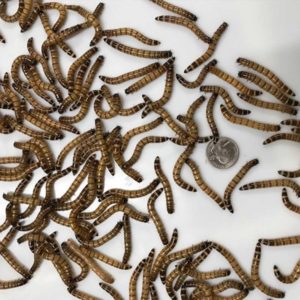 1.25-2" Large Superworms
by Judy
-
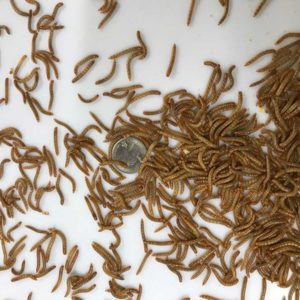 1/2-3/4" Medium Mealworms
by Brian
-
1/2-3/4" Medium Mealworms
by Rebecca Powers