
Farm Fresh Feeder Worms for Reptiles and Fishing
When reptile owners and anglers purchase live worms, freshness matters. Active, properly raised worms are easier to incorporate into reptile feeding routines and provide anglers with lively natural bait. Choosing farm fresh feeder worms gives customers a dependable source of mealworms and superworms raised specifically for feeding and bait applications rather than relying on whatever inventory happens to be available locally.
Mealworms and superworms are popular because they are versatile, convenient, and useful for more than one purpose. Reptile keepers can select an appropriate feeder according to the species and size of their animal, while fishing enthusiasts can choose between smaller mealworms and larger, more active superworms depending on their bait presentation. Understanding the differences between these feeders—and knowing how to care for them after delivery—helps customers get greater value from every order.
Why Choose Farm Fresh Feeder Worms?
The quality of a live feeder begins before it reaches your home.
How worms are raised, fed, handled, packaged, and shipped all contribute to their condition when they arrive. This makes an experienced feeder farm an important part of the purchasing decision.
Farm fresh feeder worms are raised with their intended use in mind. A dedicated producer can manage growing conditions, provide appropriate food sources, sort worms by size, and prepare live insects for shipment.
For reptile owners, healthy and active feeders can also encourage natural hunting behavior. The movement of live prey attracts the attention of many insect-eating reptiles and gives them an opportunity to pursue their food.
Anglers value that movement for another reason: active live bait can create a natural presentation on the hook.
Sunshine State Worms raises and ships live mealworms for reptiles, birds, small animals, and other uses, giving customers access to feeders directly from an experienced producer.
Mealworms and Superworms Offer Different Advantages
Although mealworms and superworms look similar, they are not simply different sizes of the same insect.
Mealworms are the larval stage of Tenebrio molitor, while superworms are the larvae of Zophobas morio. Their differences in size, activity, and care requirements make each useful in different situations.
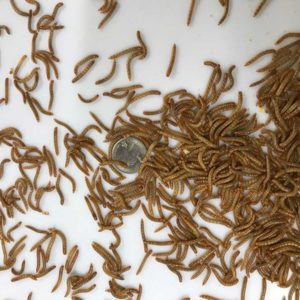
Mealworms are generally smaller and can be practical when a modestly sized feeder is appropriate. Their manageable size also makes them convenient for many reptile owners who want to control portions.
Superworms are larger and typically more active. This can make them appealing for appropriately sized reptiles that respond strongly to moving prey. Their larger profile and movement can also be attractive to anglers looking for lively bait.
Neither feeder should automatically be considered the best choice for every animal. The appropriate feeder depends on the reptile’s species, age, size, overall diet, and individual nutritional requirements.
Sunshine State Worms provides live superworms in multiple sizes, allowing customers to select worms that better correspond with their intended feeding or fishing application.
Benefits of Keeping Quality Live Worms Available
For reptile owners who regularly use insect feeders, maintaining a dependable supply can make feeding routines more convenient. Anglers can similarly benefit from having live bait ready when fishing conditions are right.
Some practical reasons customers choose farm fresh feeder worms include:
- Live movement that can stimulate natural feeding responses in insect-eating reptiles
- Multiple worm sizes for different reptiles and feeding needs
- A convenient natural bait option for freshwater fishing
- Relatively simple handling when proper storage procedures are followed
- The ability to order quantities suited to individual or multiple-animal needs
- Direct access to worms produced by a specialized feeder farm
Live feeders should always be incorporated into an appropriate overall feeding program. Nutritional needs vary considerably among reptiles, and no single feeder should automatically be assumed to provide everything an animal needs.
Owners should follow species-specific feeding recommendations and consult a qualified reptile veterinarian when they have questions about diet, supplements, feeder size, or feeding frequency.
Farm Fresh Feeder Worms Can Encourage Natural Feeding Behavior
Movement is one of the biggest differences between live feeders and prepared foods.
Many insectivorous reptiles naturally locate and pursue moving prey. When a mealworm crawls or a superworm moves through a feeding area, that activity can attract the reptile’s attention and provide an opportunity to engage in feeding behavior.
This can make feeding more interactive.
However, appropriate supervision remains important. Feeder insects should be selected according to the reptile’s size and feeding capabilities, and uneaten insects should be managed according to appropriate husbandry practices.
Feeding variety is also important for many reptiles. Mealworms and superworms can be incorporated into a broader feeding program when appropriate rather than being viewed as interchangeable with every other feeder insect.
Using Mealworms and Superworms for Fishing
Reptile feeding is only one reason customers purchase farm fresh feeder worms.
Mealworms and superworms can also serve as convenient live fishing bait.
Their movement can help create a natural presentation, while their different sizes give anglers options based on hook size, target fish, and fishing conditions.
Mealworms provide a smaller bait profile. They can be useful when an angler wants a compact presentation or is targeting species that readily take smaller live bait.
Superworms provide a larger presentation and more noticeable movement. Depending on the fishing situation, this can be useful when an angler wants bait with a more substantial profile.
Sunshine State Worms provides additional guidance in its article about using mealworms and superworms as fishing bait, including considerations for choosing and rigging each type.
As with any bait, effectiveness depends on the species being targeted, local conditions, season, water, presentation, and fishing technique. Anglers should also follow applicable state and local bait regulations.
Freshness and Activity Matter When Buying Live Worms
When you purchase a live product, quality cannot be judged solely by quantity.
Customers also want feeders that arrive active and in suitable condition for their intended use.
This makes packaging and shipping especially important. Live insects are sensitive to environmental conditions, including extreme heat and cold. An experienced supplier needs procedures designed around the fact that the product being shipped is alive.
Customers also play a role.
Weather conditions should be reviewed before ordering live feeders, and packages should not be allowed to remain unattended in extreme temperatures. Following the supplier’s shipping and pickup recommendations can help protect live orders during transit.
Sunshine State Worms maintains specific shipping guidance and temperature-related policies for its live products. Customers should review current conditions and instructions before ordering, particularly during periods of unusually hot or cold weather.
How to Store Mealworms After They Arrive
One of the advantages of mealworms is that their development can be slowed with cool storage.
Customers should follow the supplier’s current care instructions, maintain appropriate ventilation, and provide suitable food and moisture when required. Proper handling can help keep mealworms usable for a longer period.
It is also important to inspect an order after arrival.
Remove any unsuitable material, establish the worms in the recommended storage environment, and avoid exposing them to temperature extremes.
When preparing mealworms for feeding, reptile owners can allow the appropriate quantity to become active before offering them to their animal.
Superworms Require Different Storage
A major mistake is assuming that mealworms and superworms should be stored in exactly the same way.
Superworms should not be refrigerated like mealworms.
Sunshine State Worms specifically advises customers not to refrigerate its superworms and recommends appropriate room-temperature storage. The company’s product information notes a temperature range of approximately 70 to 80 degrees Fahrenheit for keeping its superworms alive and fresh.
This difference makes it important to identify exactly which type of feeder you have before placing an order into storage.
Superworms should be kept in an appropriately ventilated container and managed according to the supplier’s feeding and moisture instructions.
Learning these basic differences can help customers maintain healthier, more active farm fresh feeder worms after delivery.
Choosing the Right Size Feeder Worm
Size matters when selecting live feeders for reptiles.
A worm that works well for a larger adult reptile may not be appropriate for a smaller or younger animal. Reptile owners should choose prey sizes suitable for the species and individual animal rather than selecting worms based solely on price or availability.
Sunshine State Worms offers different sizes of superworms, including small, medium, and large options. Its small live superworms, for example, provide another option for customers who need a smaller superworm than the company’s larger sizes.
Mealworms likewise offer a more compact feeder option.
When uncertain about appropriate prey size or dietary suitability, reptile owners should rely on reputable species-specific husbandry information or consult an experienced reptile veterinarian.
Buying Farm Fresh Feeder Worms in the Right Quantity
Buying live feeders involves finding a balance between having enough worms available and being able to maintain them properly.
A reptile owner with one animal may have very different needs from a breeder, rescue, pet business, bird enthusiast, or customer caring for several insect-eating animals.
Anglers may also purchase according to how frequently they fish.
Customers should consider how quickly they expect to use their feeders, their available storage space, and their ability to maintain the worms correctly.
Regular users may find larger orders more convenient, while occasional users may prefer quantities that can be used within a manageable period.
Sunshine State Worms also offers scheduled deliveries, allowing customers who know their typical usage to establish a more consistent supply.
Why Experienced Feeder Farming Makes a Difference
Producing live feeders consistently requires specialized infrastructure and experience.
Feeder farms must maintain colonies, manage food and growing conditions, sort different sizes, package live products, and coordinate shipments while accounting for weather and transit conditions.
These responsibilities are very different from selling a shelf-stable pet product.
For the customer, buying from an established feeder producer means working with a company whose primary business is raising and supplying live insects.
That experience becomes particularly important for reptile keepers who need recurring orders and anglers who want dependable access to live bait.
Order Farm Fresh Feeder Worms From Sunshine State Worms
Sunshine State Worms specializes in raising live feeder insects for reptile owners, bird enthusiasts, anglers, and other customers who depend on quality worms. The company has more than 20 years of experience in live insect breeding and mealworm production and operates feeder-farm facilities designed for producing and shipping live insects.
Sunshine State Worms offers mealworms as well as small, medium, and large superworms, making it easier for customers to select a feeder size suited to their particular needs. The company also supports recurring customers with scheduled delivery options and bulk purchasing opportunities.
Whether you are keeping feeders ready for your reptiles or preparing live bait for an upcoming fishing trip, starting with healthy, active worms makes a difference.
With specialized breeding experience, multiple sizes, nationwide service, and a focus on live feeder production, Sunshine State Worms provides farm fresh feeder worms directly from its facilities to customers who want a dependable source of mealworms and superworms.
Frequently Asked Questions
What is the difference between mealworms and superworms?
Mealworms and superworms are larvae of different darkling beetle species. Mealworms are Tenebrio molitor and are generally smaller, while superworms are Zophobas morio and are typically larger and more active. They also have different storage requirements, which is particularly important when keeping live feeders at home.
Which live feeder worms are appropriate for reptiles?
The answer depends on the reptile’s species, age, size, health, and overall diet. Mealworms and superworms can both be appropriate feeders for various insect-eating reptiles, but prey size and feeding frequency should be matched to the individual animal. A qualified reptile veterinarian can provide species-specific nutritional guidance.
How do you keep live feeder worms fresh after delivery?
Storage depends on the type of worm. Mealworms can generally be kept under appropriately cool conditions to slow development, while superworms should not be refrigerated and should instead be maintained under suitable room-temperature conditions. Always follow the supplier’s care instructions for the specific feeder you purchase.
Can farm fresh feeder worms also be used for fishing bait?
Yes. Mealworms and superworms can both be used as live fishing bait. Mealworms provide a smaller presentation, while superworms offer a larger profile and more noticeable movement. The better option depends on target species, hook size, fishing conditions, and applicable local bait regulations.

Recent reviews
-
 1/2-3/4" Medium Mealworms
by Rebecca Powers
-
1/2-3/4" Medium Mealworms
by GLENN TAYLOR
-
1/2-3/4" Medium Mealworms
by Liliya & Valeriy